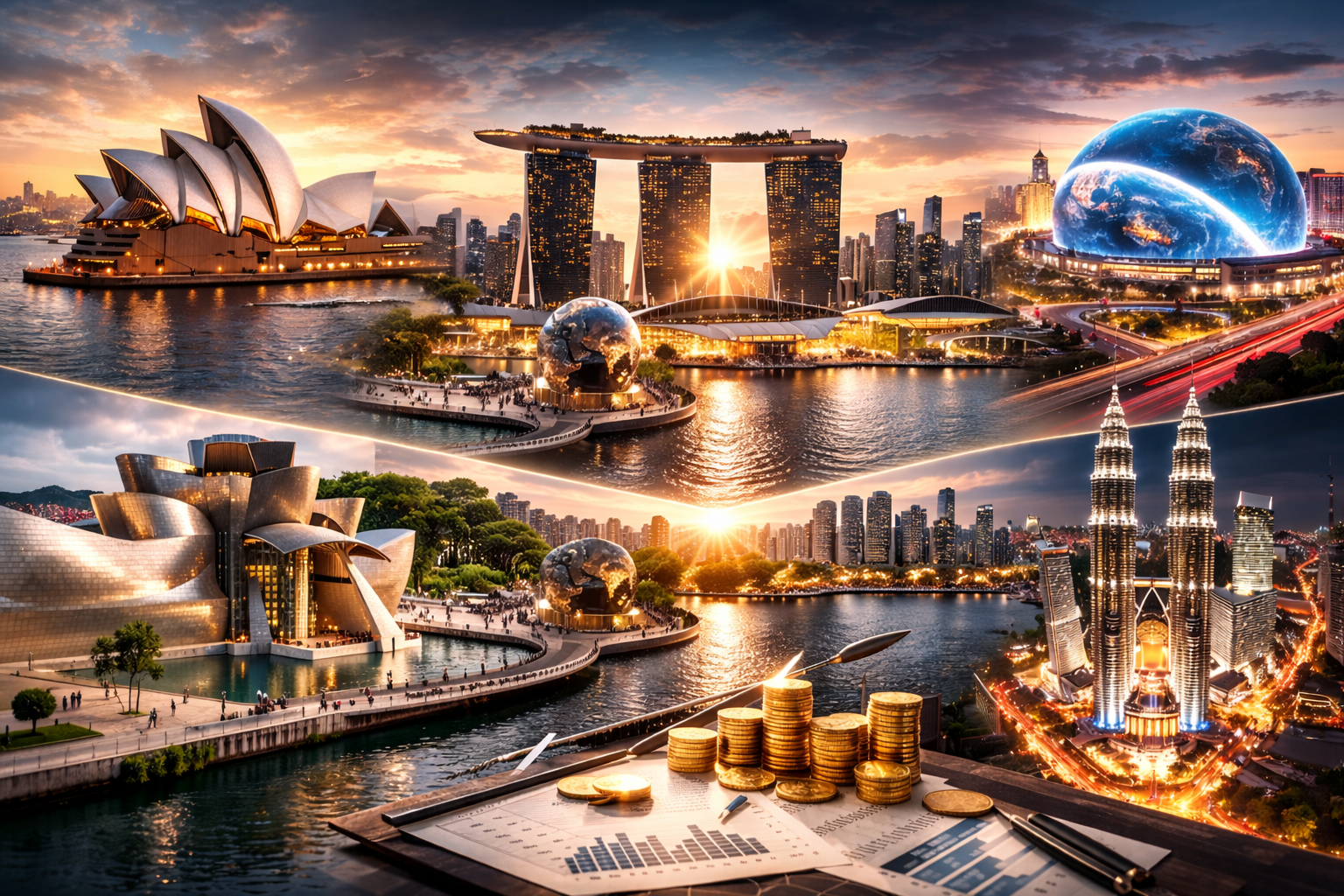

Sydney Opera House – Culture as Economic Infrastructure
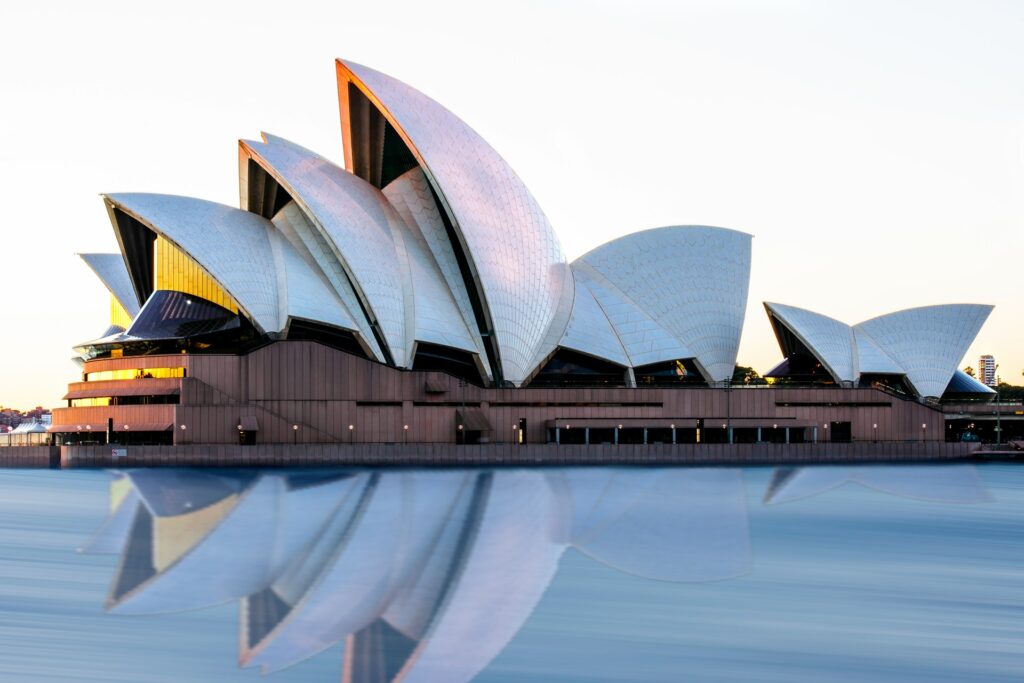
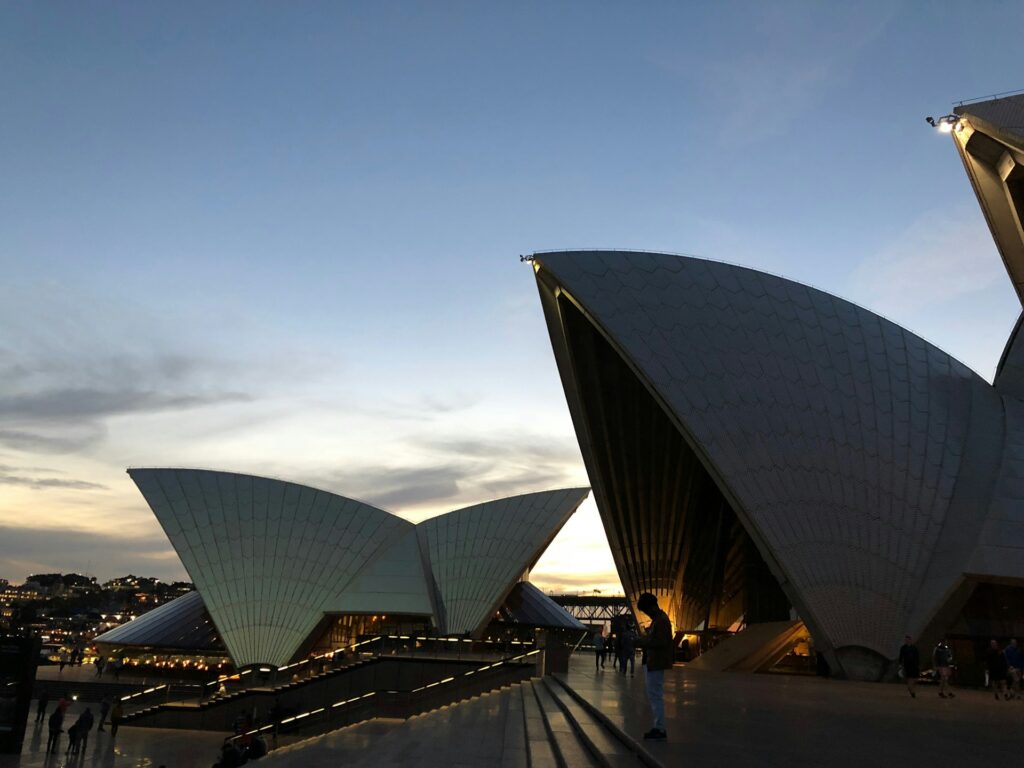
When the Sydney Opera House opened in 1973, it was widely criticized for cost overruns and political controversy. Originally budgeted at 7 million AUD, the final cost reached 102 million AUD — an extraordinary figure at the time. Yet over five decades later, the building has proven to be one of the most economically successful cultural investments in modern history. What was once framed as a financial failure has become a cornerstone of Australia’s global economic identity.
Today, the Opera House attracts more than 10 million visitors annually, with millions attending performances, tours, and public events. Its direct economic contribution to New South Wales is estimated at over 775 million AUD per year. Beyond ticket sales, it drives spending across hotels, restaurants, retail, transport, and creative industries. The structure operates not only as a performing arts venue but as a continuous generator of tourism demand and urban activity.
More importantly, the building rebranded Sydney on the global stage. Before the Opera House, Australia was geographically distant and visually undefined in international media. The silhouette of its white sails changed that permanently. The structure became a national logo — reproduced in global broadcasts, Olympic imagery, tourism campaigns, and corporate branding. This visibility translated into increased foreign visitation, international investment confidence, and the positioning of Sydney as a cultural gateway to the Asia-Pacific region.
The long-term impact of the Opera House demonstrates a key economic principle: landmark architecture can function as infrastructure for perception. Its value cannot be measured solely in construction cost or annual operating revenue. It operates as a soft-power asset, reinforcing Australia’s creative economy, sustaining thousands of jobs, and anchoring Sydney’s status as a global city. In this sense, the Opera House is not merely a building — it is an enduring economic engine embedded in cultural form.
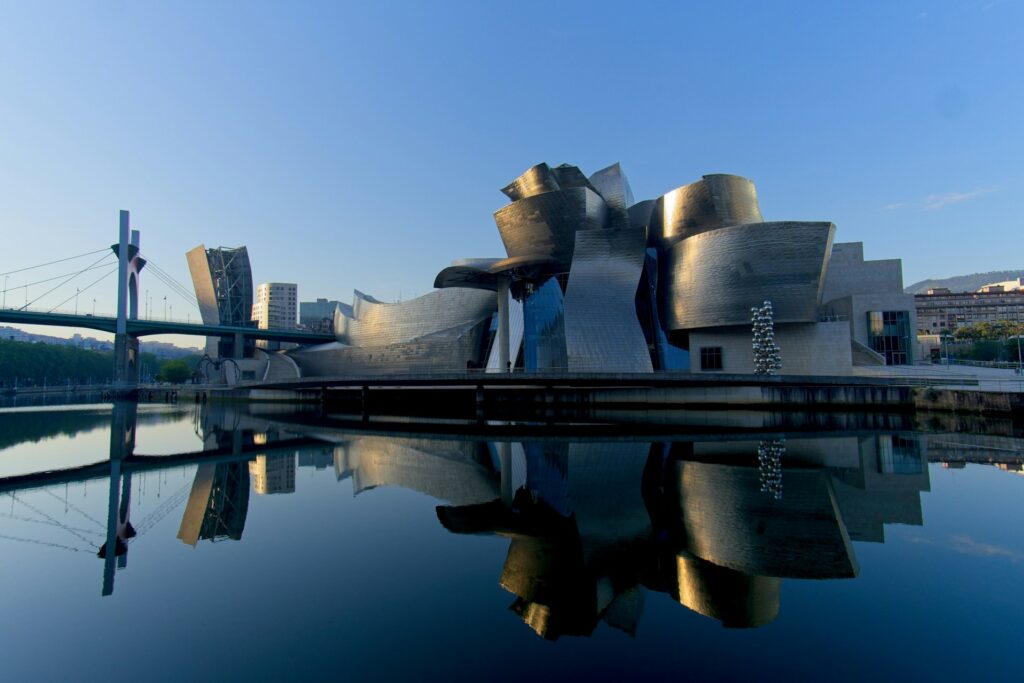
Guggenheim Museum Bilbao – The Architecture of Urban Regeneration
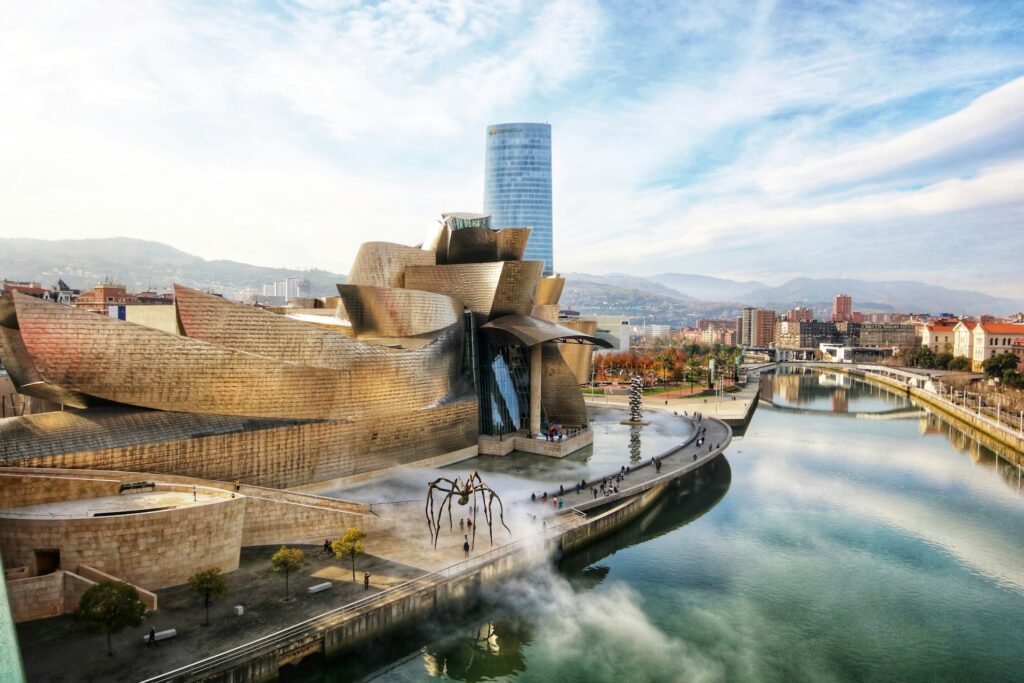
When the Guggenheim Museum Bilbao opened in 1997, the city was emerging from decades of industrial decline. Shipyards had closed, unemployment was high, and the Nervión riverfront was polluted and underused. The Basque government made a bold decision: invest approximately 100 million USD in a contemporary art museum designed by Frank Gehry. At the time, the scale of public expenditure on a cultural institution was controversial. Few anticipated the magnitude of the transformation that would follow.
Within its first year, the museum attracted more than one million visitors — far exceeding projections. Tourism to Bilbao surged, and the project quickly generated tax revenues that offset a significant portion of its initial cost. Over the following years, the cumulative economic impact reached billions of euros through visitor spending, hotel development, restaurant growth, transportation use, and expanded service industries. The museum became the anchor of a broader urban renewal strategy that included new metro infrastructure, airport upgrades, and waterfront redevelopment.
The so-called “Bilbao Effect” entered global urban vocabulary to describe how iconic architecture can catalyze economic revival. The museum did not succeed in isolation; it functioned within a coordinated regional strategy. However, its visual power and international media attention repositioned Bilbao from an industrial port to a cultural destination. Property values rose, investor confidence improved, and the city shifted toward a diversified economy centered on tourism, services, and knowledge industries.
What makes the Guggenheim Bilbao economically significant is not only visitor numbers, but structural transformation. The project altered the trajectory of the city’s development. It demonstrated that architecture, when aligned with long-term policy and infrastructure investment, can serve as a strategic economic lever. The building became more than a museum — it became a case study in how design can rewrite the economic narrative of a post-industrial city.
Marina Bay Sands – Converting Risk into GDP
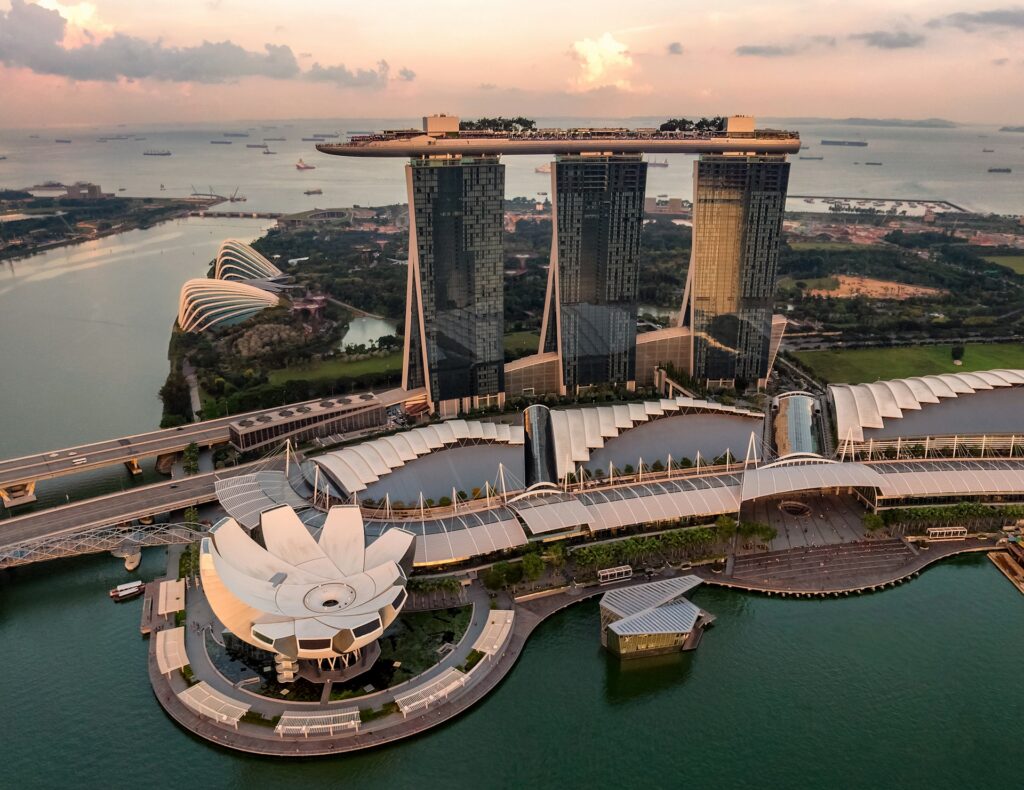
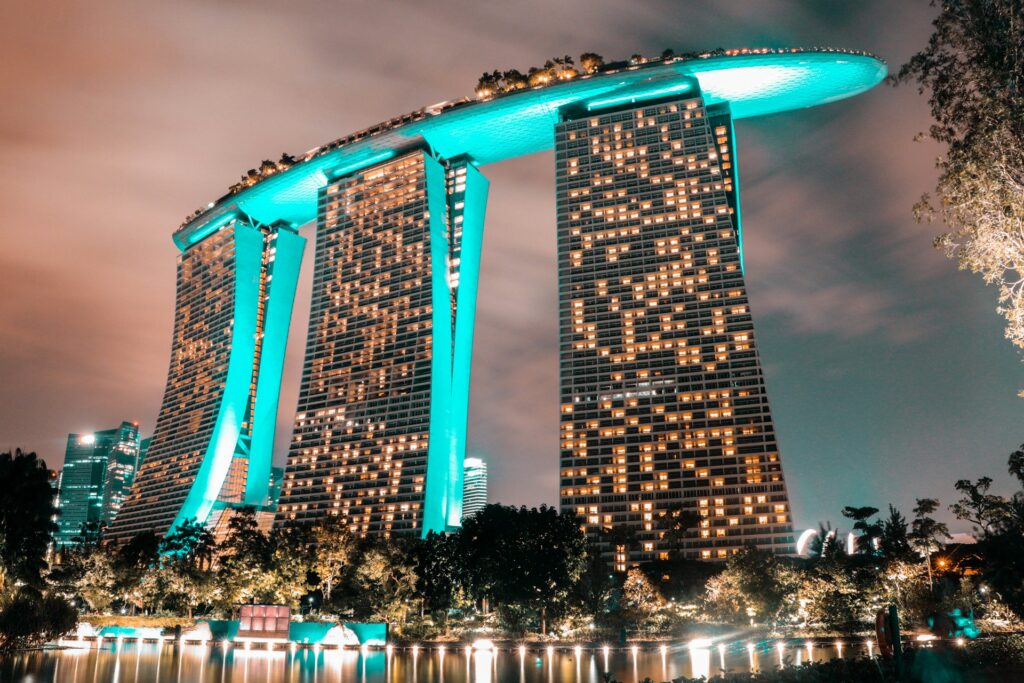
Marina Bay Sands was never just a hospitality project. Completed in 2010 with a total capital outlay of approximately US$5.5–5.7 billion, it became the most expensive standalone casino resort ever built. The investment threshold was elevated further by over S$1 billion in land-use rights and casino licensing fees, while the development occupied roughly 20 hectares of reclaimed land in Marina Bay. Structurally iconic, financially it was one of the boldest private-sector bets in contemporary architecture.
The timing intensified the exposure. Construction peaked during the 2008–2009 global financial crisis, when liquidity across the hospitality and gaming industries tightened dramatically. For Las Vegas Sands, the project represented one of the largest capital commitments in its corporate history, stretching the company’s balance sheet before a single dollar of operational revenue was generated. Marina Bay Sands was, at that moment, a high-risk macroeconomic wager.
The return profile, however, proved exceptional. In peak years, the resort has generated annual EBITDA exceeding US$1.5 billion, placing it among the most profitable individual buildings globally. At this performance level, the initial multibillion-dollar investment was effectively recovered in well under a decade — an extraordinary payback cycle for an asset of this scale. Crucially, profitability is structurally concentrated: while the hotel comprises approximately 1,850 rooms and suites, the casino — occupying only a fraction of total floor area — accounts for roughly 60–70% of operating profit.
Operationally, the model is engineered around controlled mass access. The complex attracts approximately 18–20 million visitors annually, translating into a daily flow of 45,000–55,000 people. Public features such as the SkyPark, waterfront promenade, and nightly light shows function as low-cost demand generators. Monetization occurs downstream — within the gaming floors and The Shoppes at Marina Bay Sands, where retail turnover per square meter ranks among the highest in Southeast Asia.
Today, Marina Bay Sands contributes up to approximately 1.2% of Singapore’s annual GDP, while supporting over 10,000 jobs directly and indirectly. The recently announced US$8 billion expansion, including a fourth tower with around 1,000 luxury units and a 15,000-seat arena, confirms its role as the most stable and profitable asset in the Las Vegas Sands portfolio.
In macroeconomic terms, Marina Bay Sands functions not simply as a building, but as economic infrastructure — a system designed to convert architecture, tourism, and gaming into sustained national value and measurable GDP impact.
The Sphere – Digital Architecture as Urban Revenue Machine
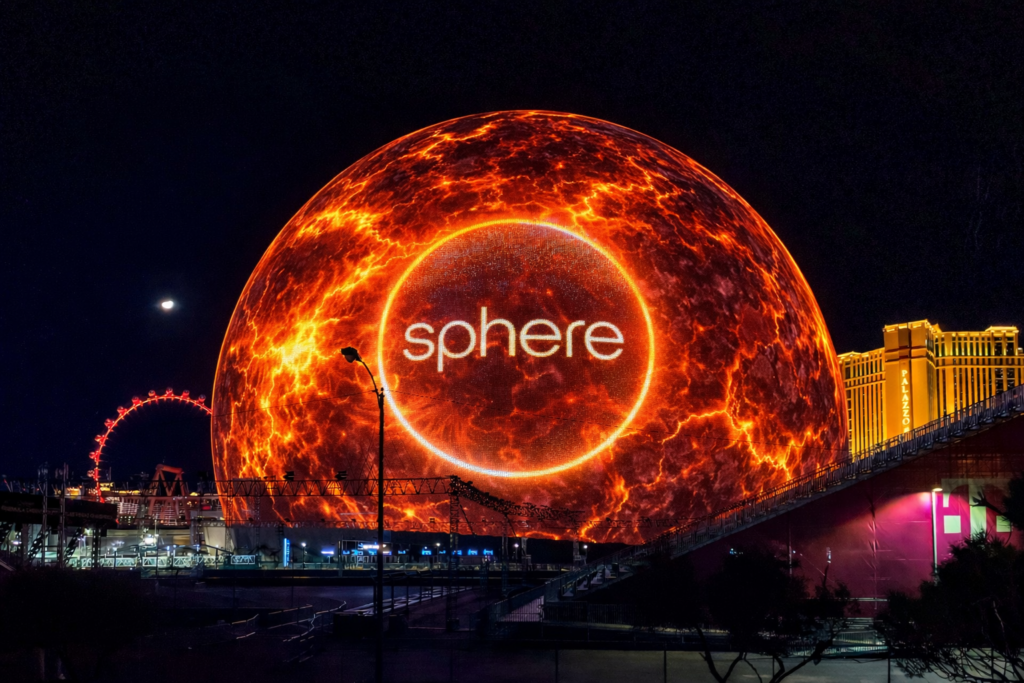
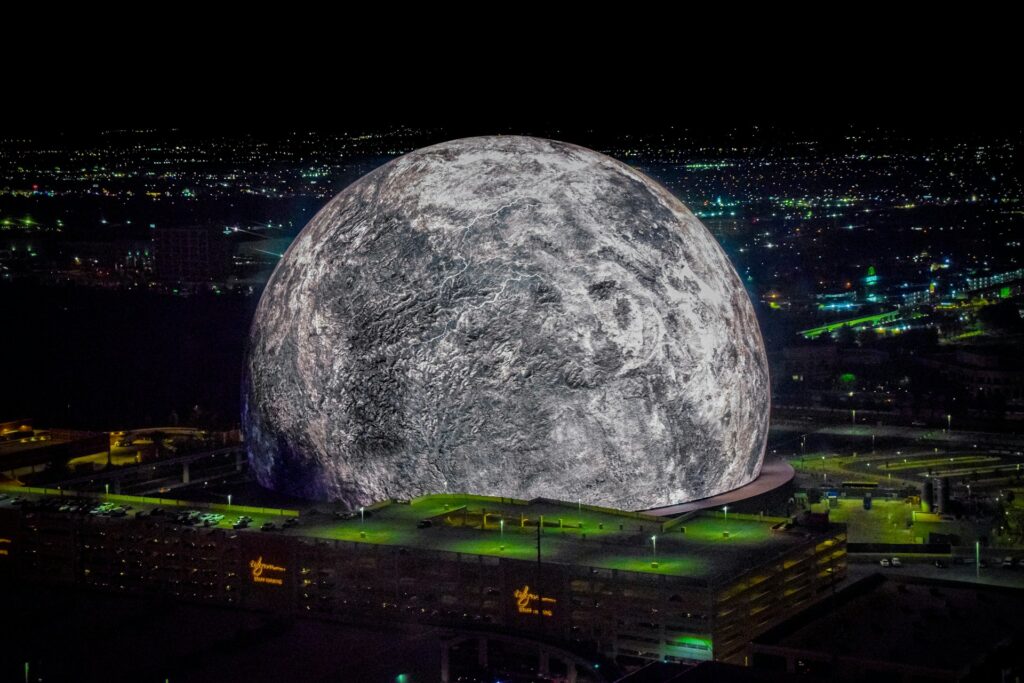
The construction of The Sphere was a financial roller coaster that ultimately peaked at approximately $2.3 billion. Originally budgeted at around $1.2 billion, the cost nearly doubled due to global supply chain disruptions, inflationary pressures, and the unprecedented technological complexity of the structure. This final figure makes it the most expensive entertainment venue ever built in Las Vegas, surpassing even flagship casino resorts such as the Wynn and the Bellagio. Unlike traditional hospitality investments, however, The Sphere is not anchored in gaming floors or hotel towers — it is anchored in immersive technology.
Its revenue model rests on three primary pillars: high-profile musical residencies, proprietary immersive films, and large-scale exterior advertising. Major residencies such as U2 and The Eagles have positioned the venue as a global entertainment magnet, drawing premium-spending visitors to the Strip. In the fourth quarter of 2025 alone, the Sphere segment generated approximately $394.3 million in revenue, demonstrating strong commercial traction. The venue’s flagship film, Postcard from Earth, has grossed more than $300 million, while subsequent immersive productions generated nearly $290 million in ticket sales in a compressed timeframe. These figures confirm that audiences are willing to pay significantly higher ticket prices for technologically unique, experience-driven content.
The true financial differentiator, however, is the Exosphere — the building’s fully programmable LED exterior. Brands reportedly pay around $450,000 per day for advertising placement, or approximately $650,000 for a week-long campaign, often supported by an in-house team of roughly 300 designers. While operational costs remain high, recent quarterly reports show an adjusted operating income of around $128 million per quarter, indicating that the venue has transitioned from capital-intensive experiment to cash-generating digital infrastructure.
At the urban scale, The Sphere has reinforced Las Vegas’s economic identity as the global capital of spectacle and entertainment innovation. It extends the Strip’s business model beyond casinos into high-margin, tech-driven experiential media. By attracting international audiences, increasing average visitor spending, and generating constant global social-media exposure through its luminous façade, the building amplifies tourism demand across hotels, restaurants, and transport networks. In this sense, The Sphere is not just an arena — it is an economic amplifier embedded in the skyline, converting pixels and performance into sustained metropolitan revenue.
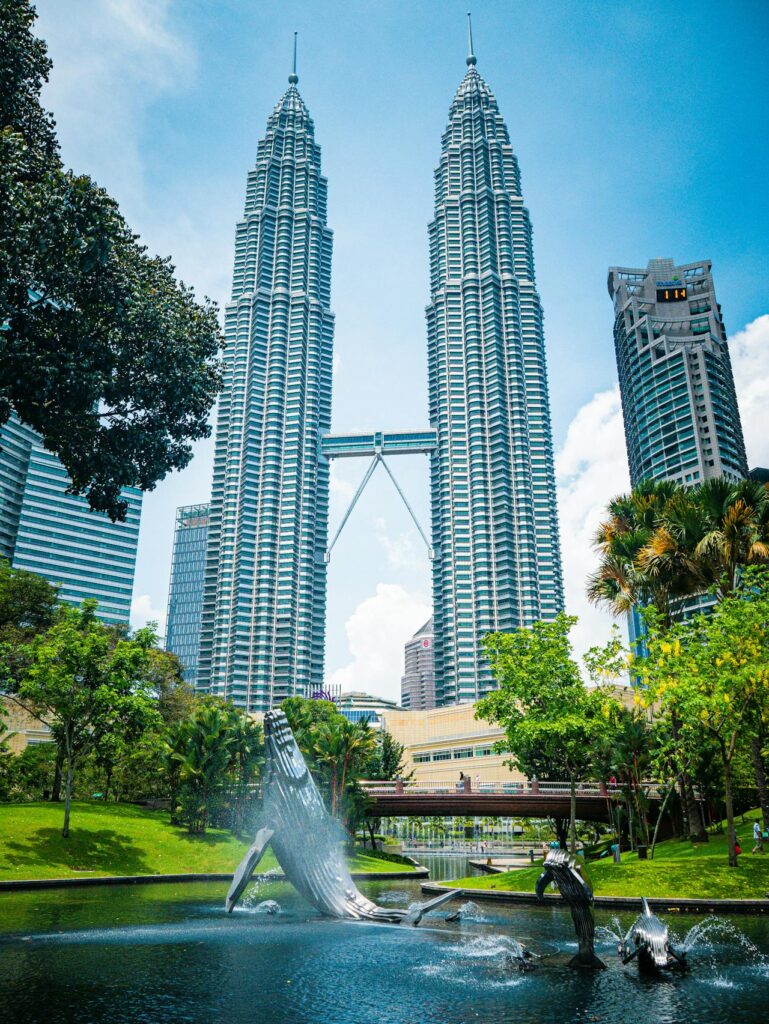
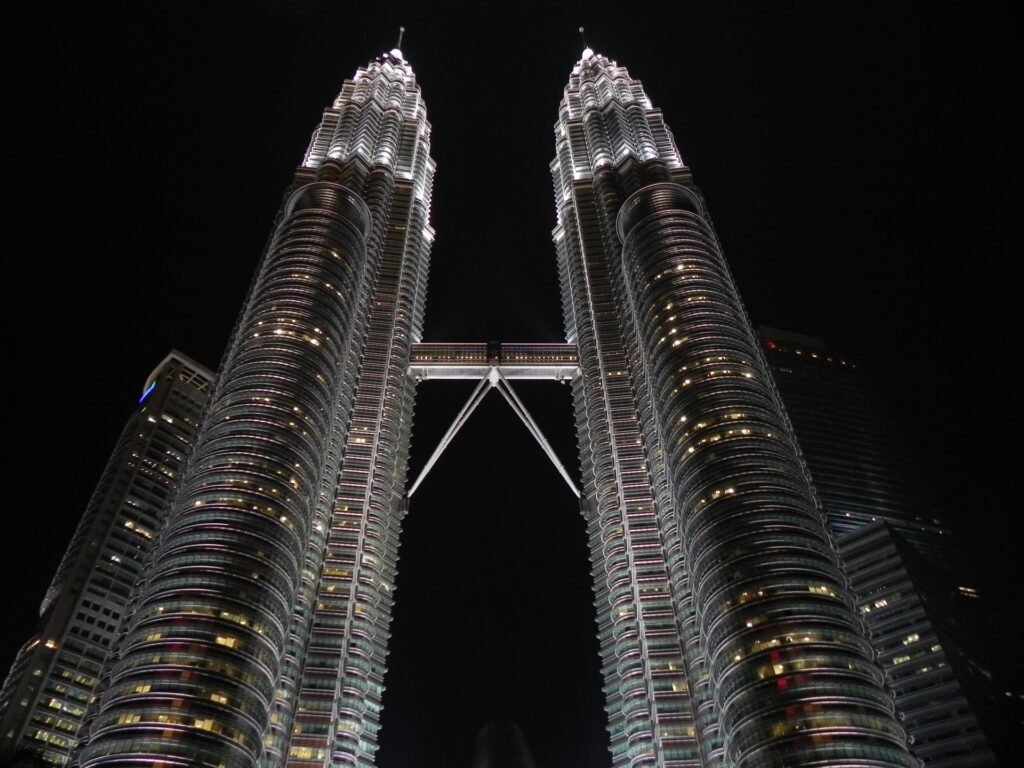
Petronas Twin Towers – Reshaping Kuala Lumpur’s Urban Core
When the Petronas Twin Towers were completed in 1998 at a cost of $1.6 billion USD, their most immediate impact was not vertical — it was geographic. The project shifted Kuala Lumpur’s center of gravity. By redeveloping 100 acres (40 hectares) of former racecourse land into the KLCC district, the government effectively created a new financial and commercial nucleus. Over the following years, KLCC replaced older districts as the city’s premium address, concentrating multinational headquarters, luxury residences, embassies, and high-end retail within walking distance of the towers.
The effect on land value was structural. Property prices in and around KLCC increased multiple times over, with prime commercial space exceeding $2,000 per square foot, levels previously unseen in Kuala Lumpur. This revaluation triggered secondary development: office towers, residential high-rises, hotels, and supporting infrastructure rapidly filled the surrounding blocks. The towers functioned as a price-setting benchmark — anchoring valuation for the entire district and influencing development patterns across the metropolitan area.
Urban infrastructure followed capital. The area saw upgrades in road connectivity, pedestrian networks, and public transport integration, including improved LRT access. KLCC Park, a 50-acre landscaped public space, became one of the city’s primary civic environments, increasing livability and encouraging mixed-use density rather than isolated office zoning. The district evolved into a 24-hour zone — business by day, retail and leisure by night — strengthening urban continuity rather than fragmenting it.
Over nearly three decades, the towers have continuously reinforced Kuala Lumpur’s global positioning. As the most recognizable element of Malaysia’s skyline, they anchor tourism flows of tens of millions of visitors annually to the KLCC area, sustaining hotels, restaurants, and retail turnover in the district. More importantly, they altered perception: Kuala Lumpur was no longer viewed as a secondary Southeast Asian capital, but as a modern financial metropolis.
In urban-economic terms, the Petronas Twin Towers did not merely occupy land — they redefined it. They created a high-density value corridor that continues to shape investment patterns, skyline evolution, and spatial hierarchy within the city to this day.