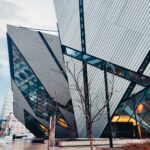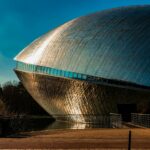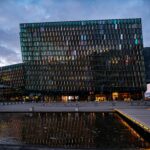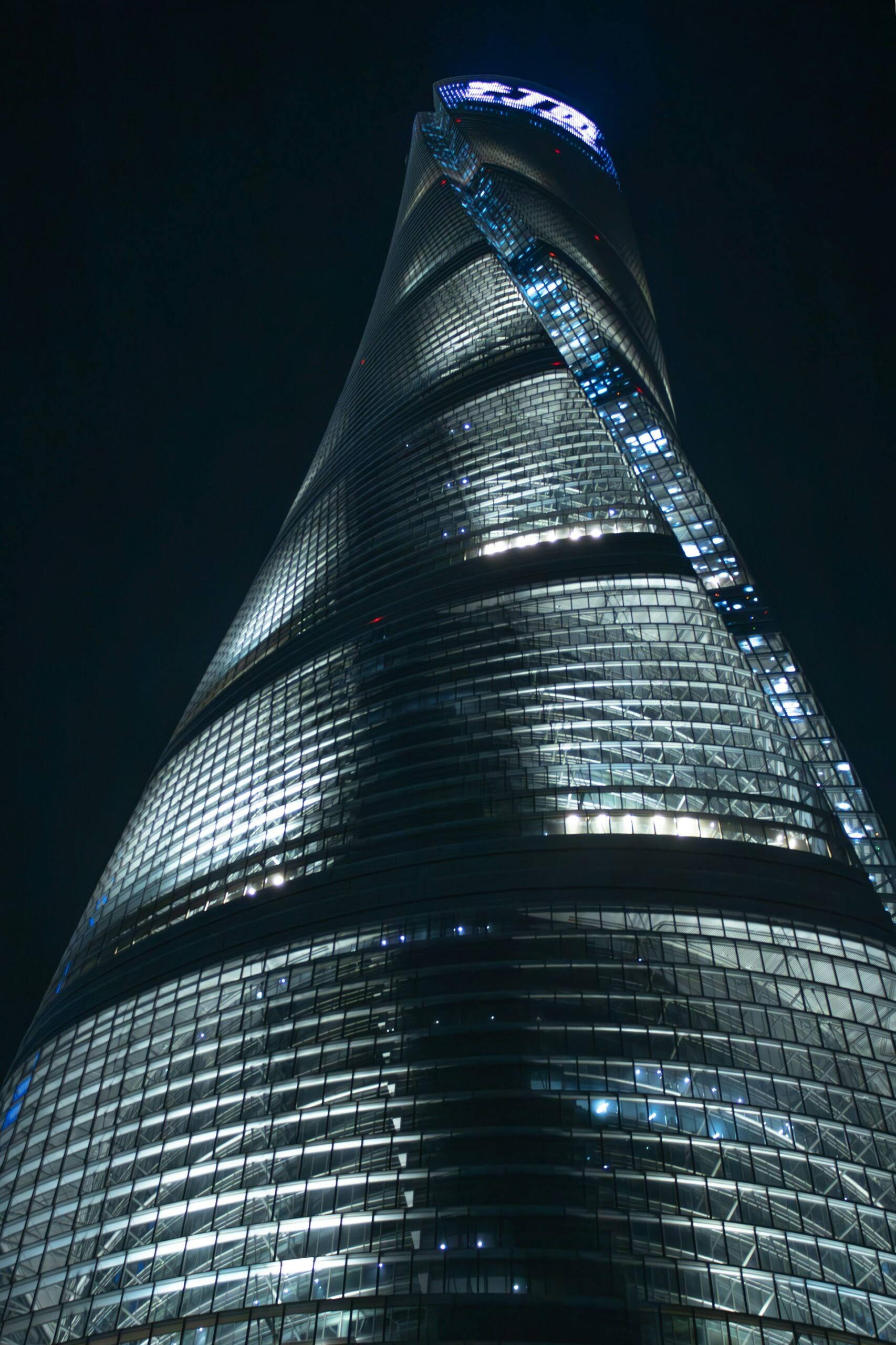

The turn in skyscrapers looks like a style. In practice, it’s a tool: wind, static, views, and branding.
Twisting buildings are often grouped together as a visual trend — a moment when skyscrapers “learned to dance.”
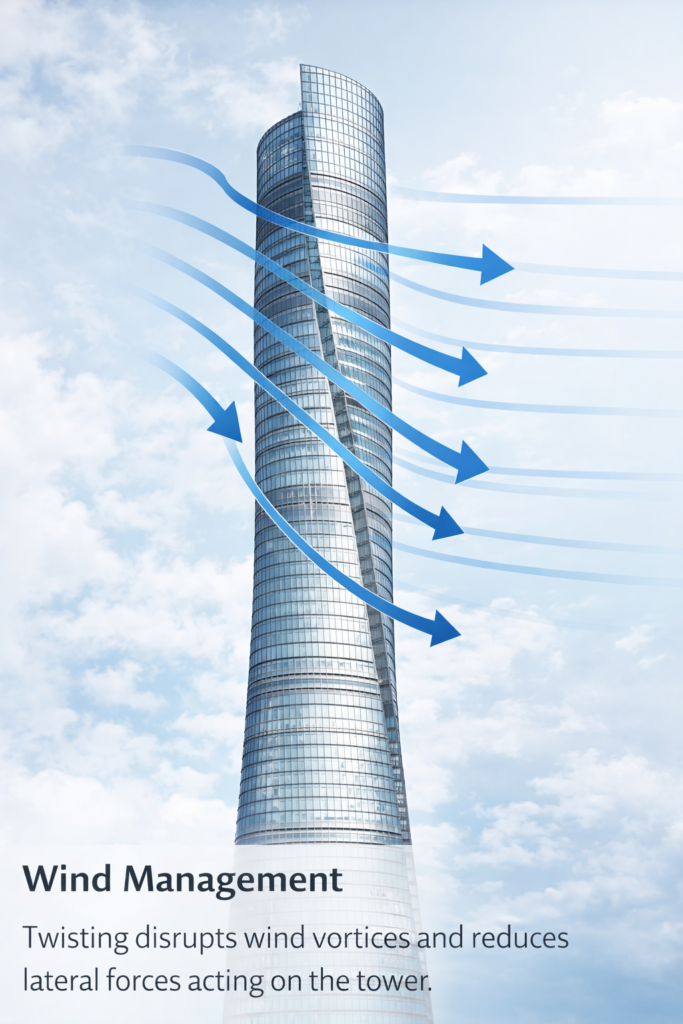
But rotation is rarely an aesthetic decision made in isolation. In most cases, it appears as a rational response to forces that vertical repetition can no longer manage efficiently: wind loads, structural optimization, view orientation, or the demand for instant recognizability in dense skylines.
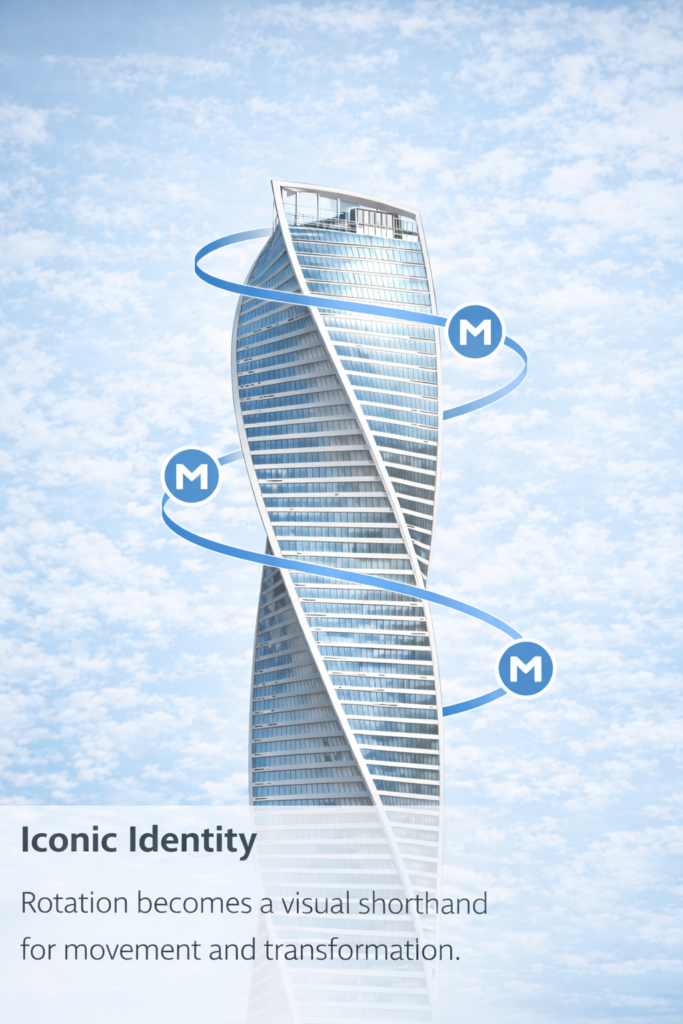
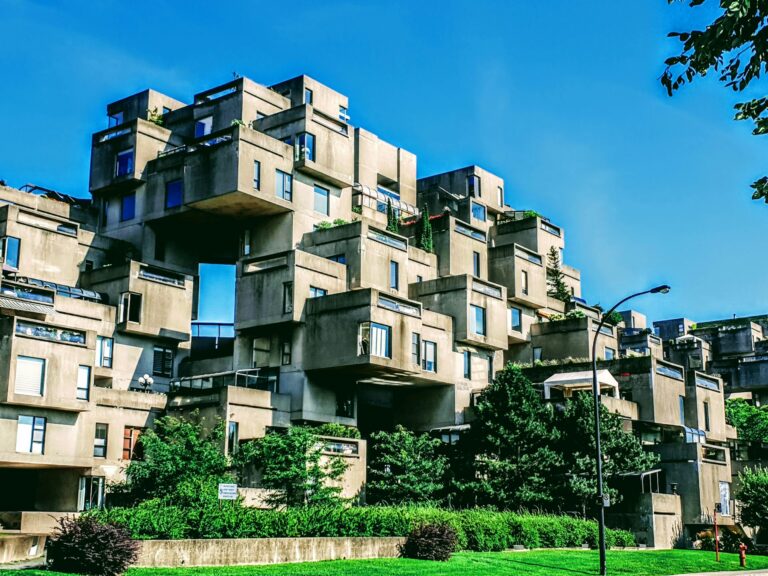
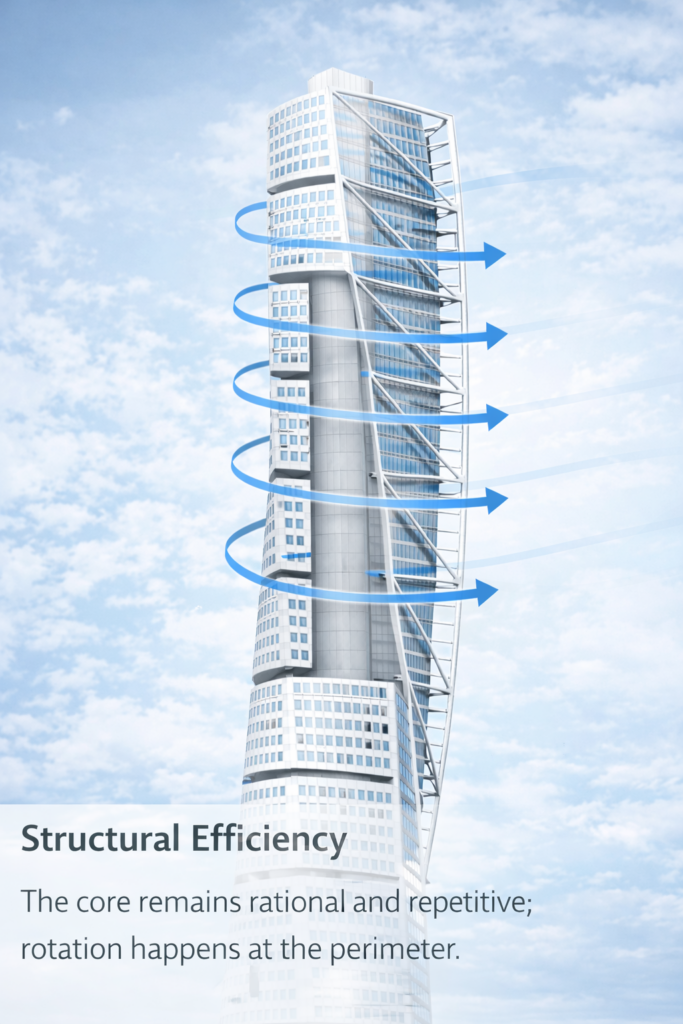
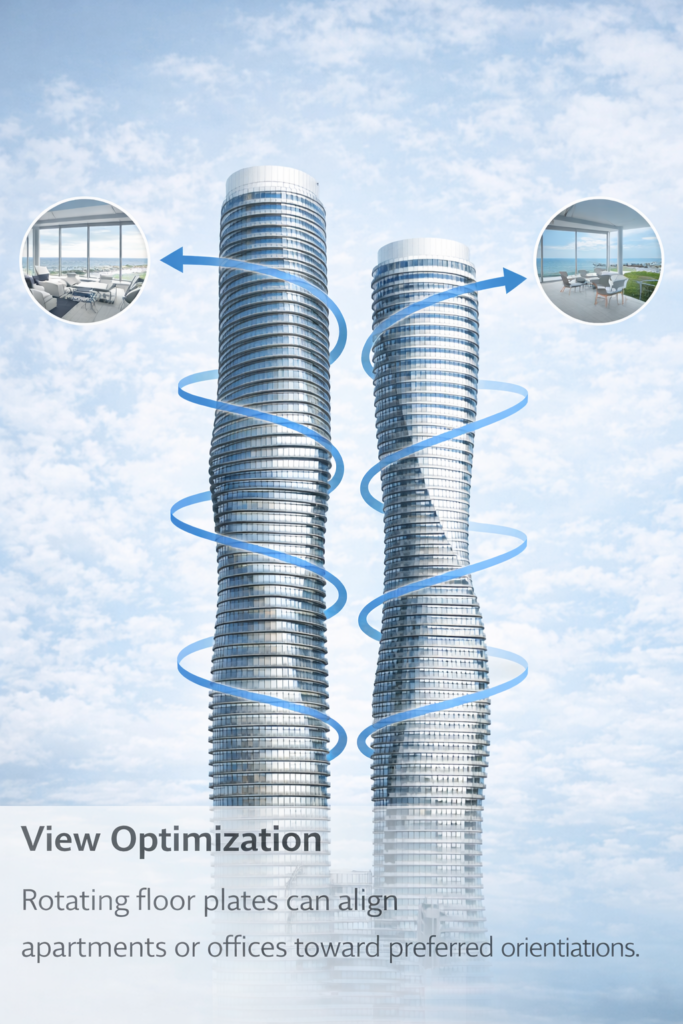
What makes twisted towers particularly interesting is that the same geometric operation produces radically different outcomes. A gradual rotation can reduce aerodynamic stress in a supertall tower, redistribute structural forces in a modular system, or simply rotate apartments toward better views. In other cases, it becomes a visual shortcut — a way for a building to communicate movement, growth, or ambition without changing its functional program.
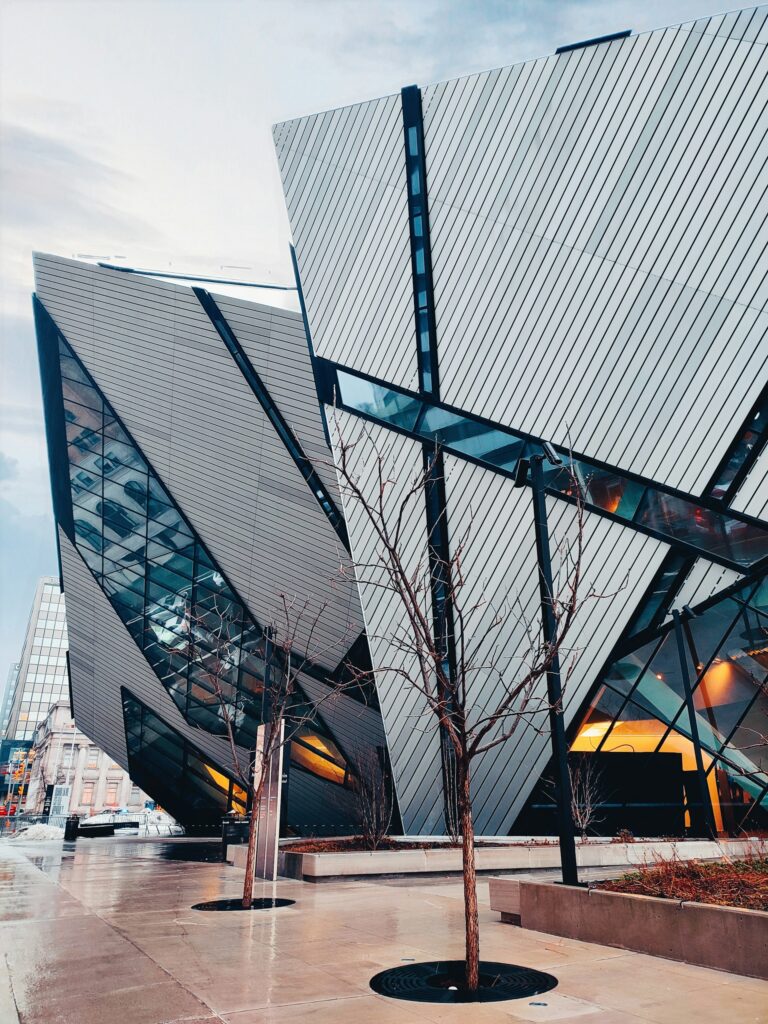
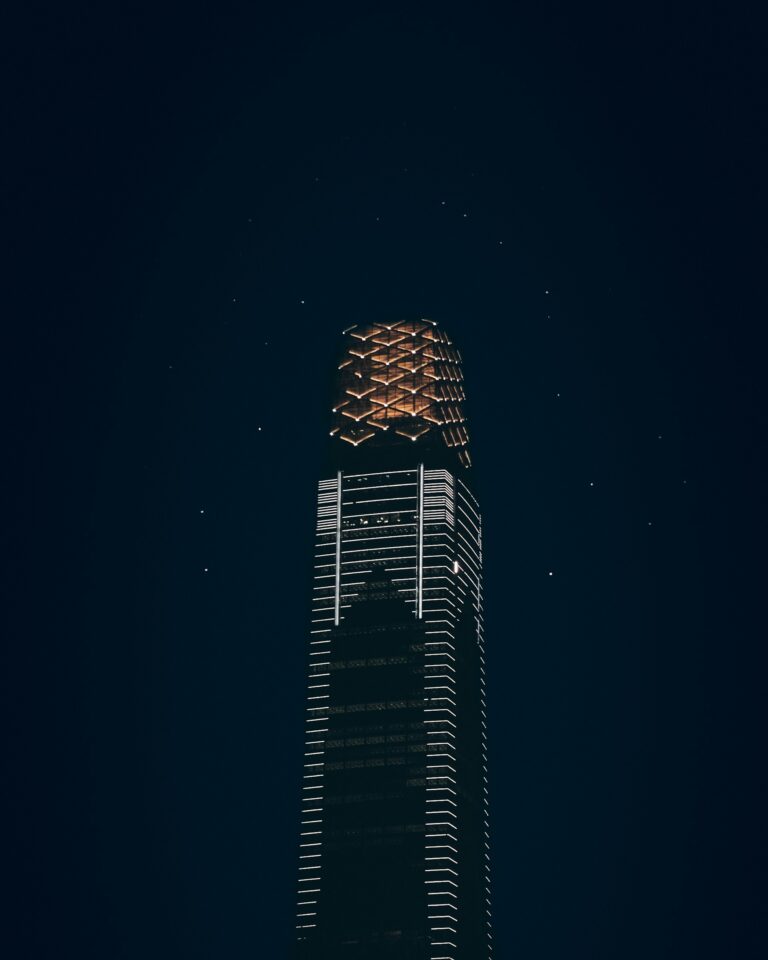
This theme brings together buildings that look similar at first glance, yet are driven by fundamentally different logics. By reading them side by side, the twist stops being a stylistic label and becomes what it really is: a tool — applied for performance, efficiency, comfort, or identity, depending on context.
Wind Management
Structural Efficiency
View Optimization
Iconic Identity