
How a 115-year-old stadium became one of the most iconic structures in world football
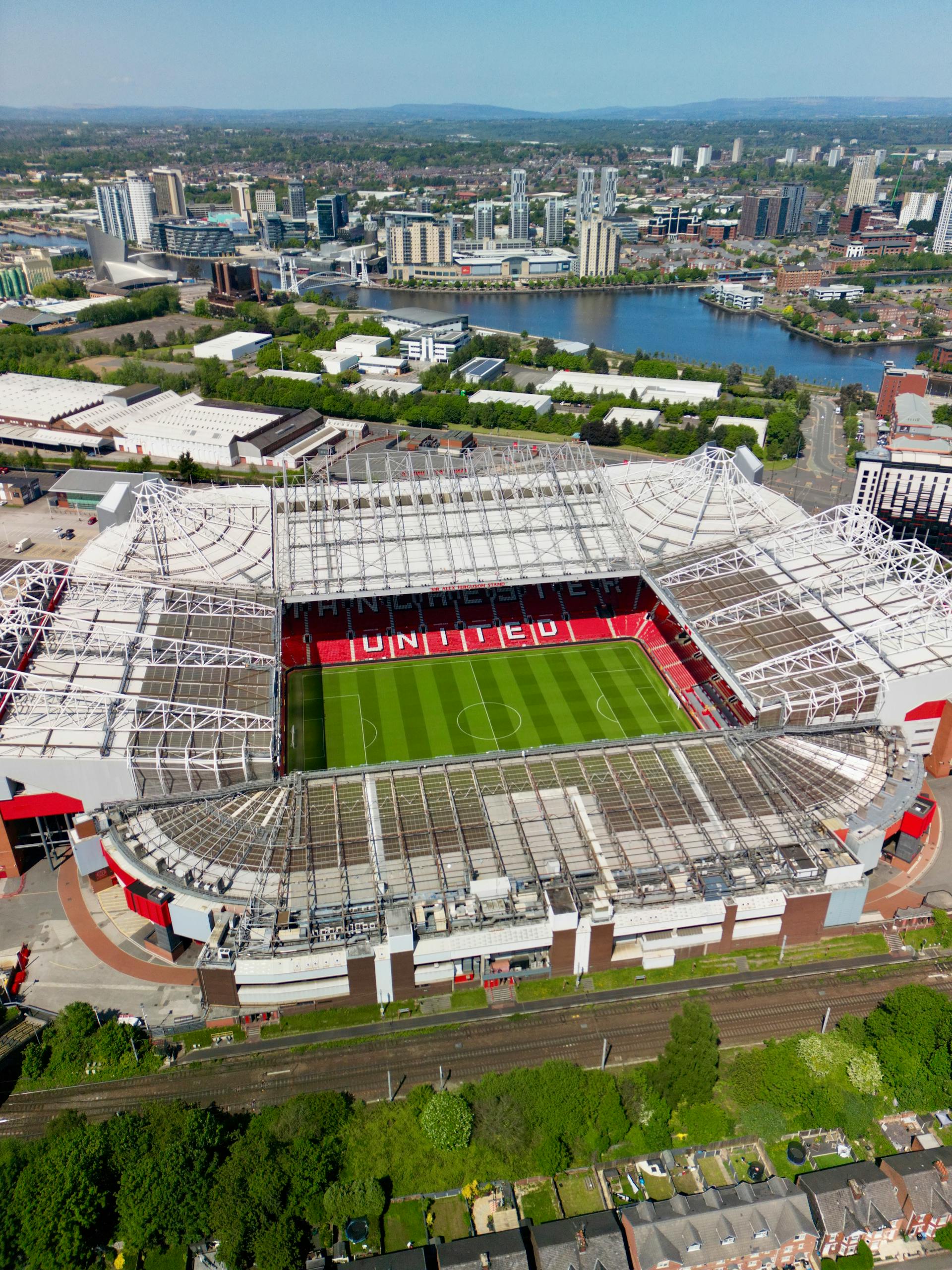
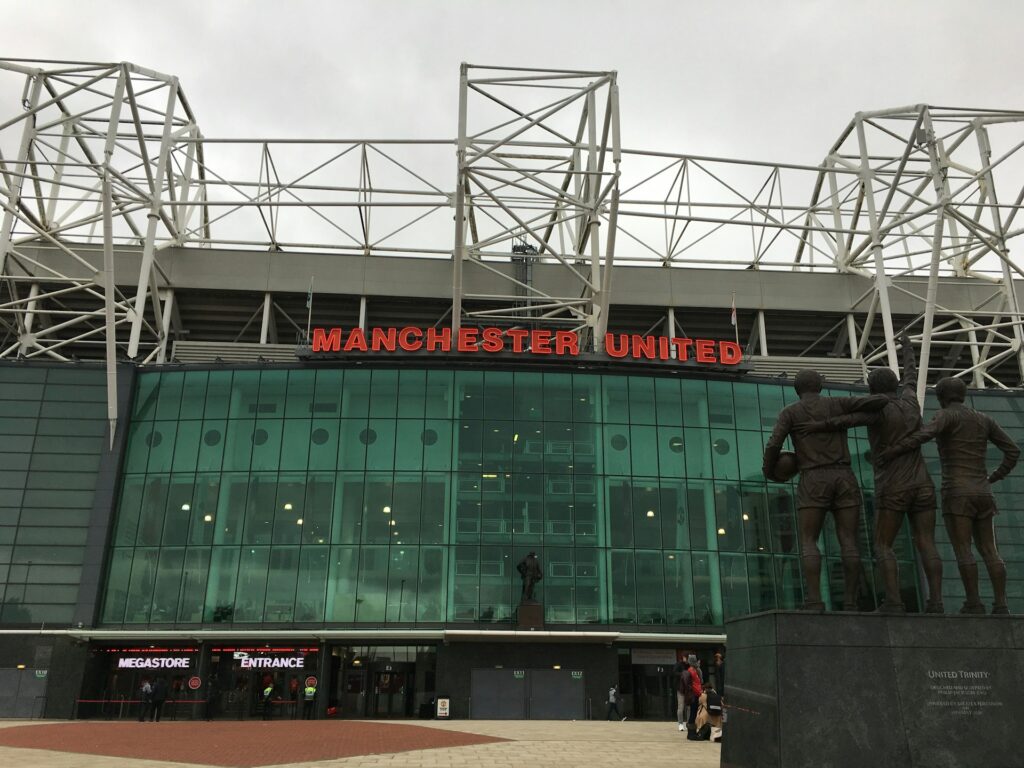
Few sports venues in the world carry the same architectural symbolism as Old Trafford. Known globally as “The Theatre of Dreams”, this stadium is far more than the home of Manchester United. It is a structure where engineering, sport, and cultural identity intersect — a stadium that has evolved continuously for over a century while remaining one of the most recognizable arenas in football.
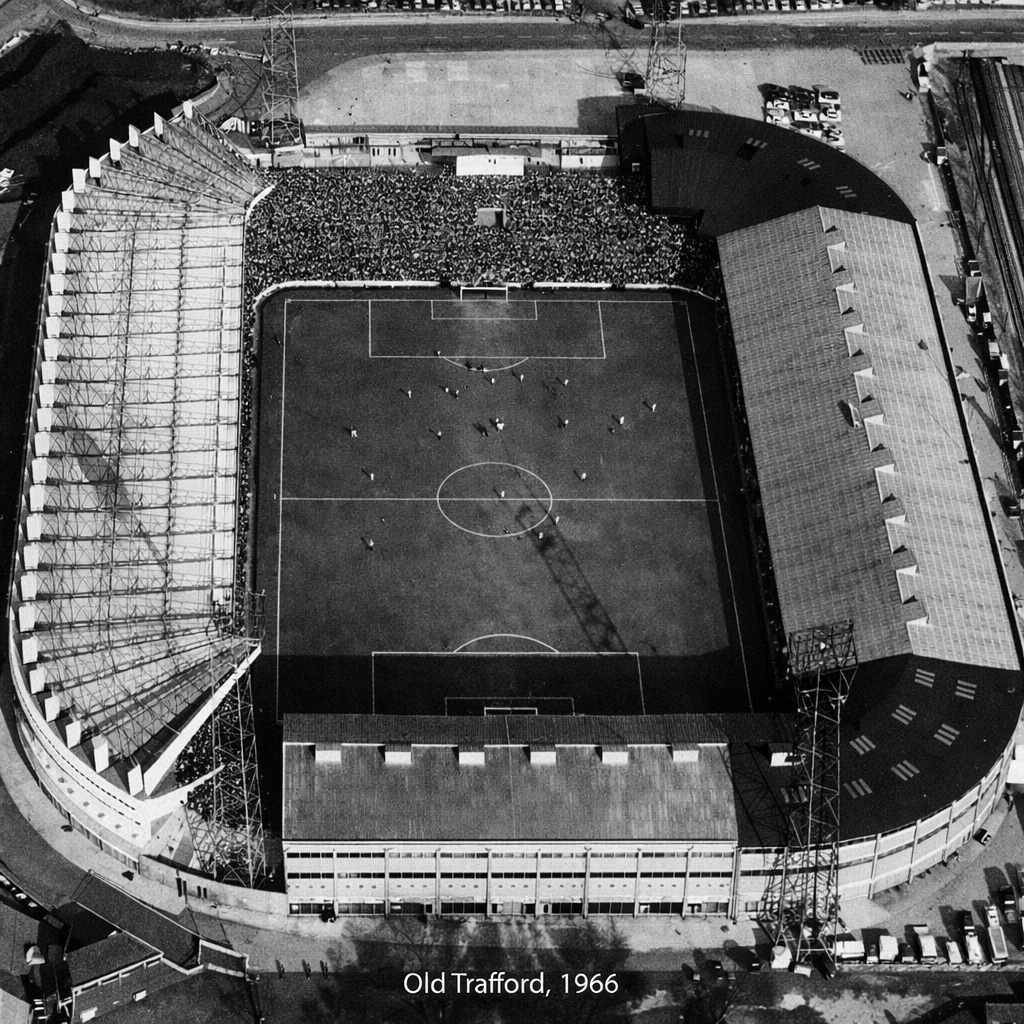
Opened in 1910, Old Trafford was designed by the Scottish architect Archibald Leitch, whose work shaped many early British football grounds. At the time of its construction, the stadium represented a major leap forward in stadium engineering. Its vast grandstands, steel framework, and large viewing capacity made it one of the most ambitious sporting structures in Britain. From the beginning, the goal was clear: to build a venue worthy of one of the country’s biggest clubs.
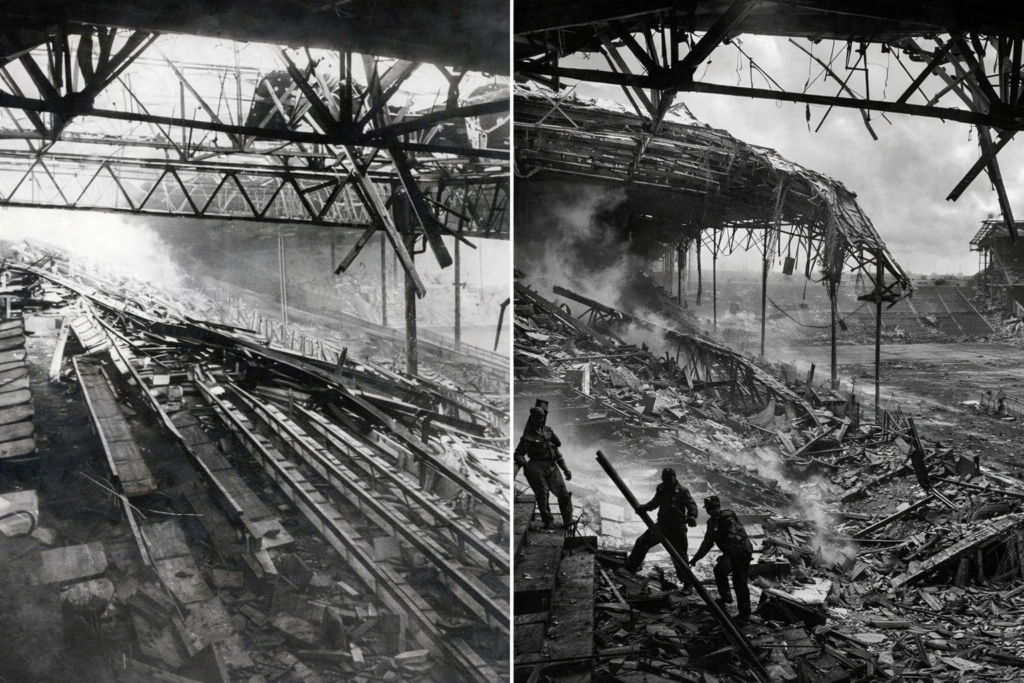
But Old Trafford’s story is not only one of construction — it is also one of destruction and reinvention. During World War II, the stadium suffered severe bomb damage that left large parts of it unusable. Reconstruction in the late 1940s and major expansions throughout the late 20th and early 21st centuries gradually transformed the venue into the massive modern stadium we see today.
What makes Old Trafford particularly fascinating from an architectural perspective is its layered evolution. Rather than being rebuilt from scratch, the stadium has been repeatedly expanded, reinforced, and modernized. Each phase introduced new engineering solutions — cantilever roofs, expanded tiers, and structural reinforcements — while maintaining the historic identity of the original venue.
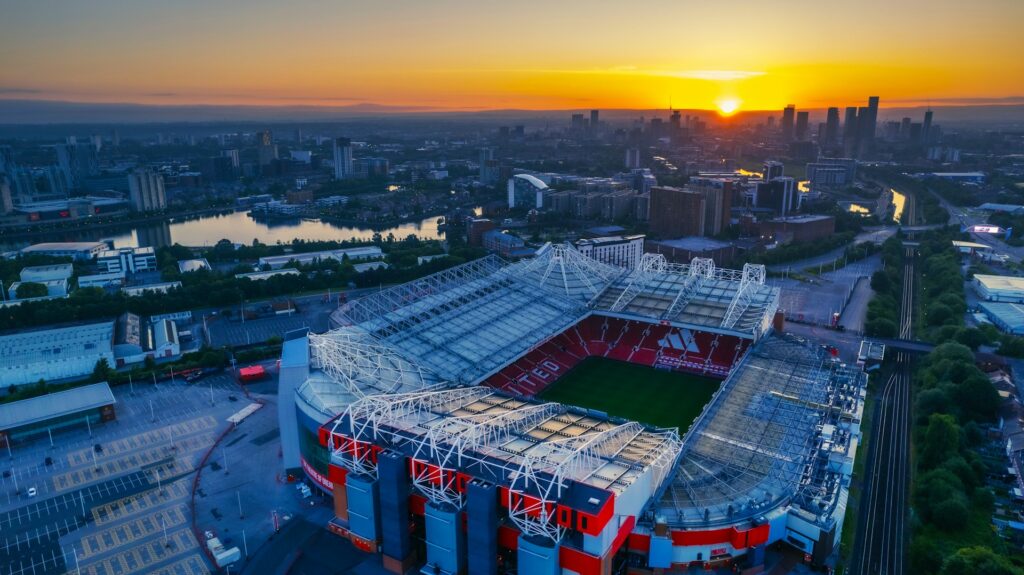
Today, with a capacity of more than 74,000 spectators, Old Trafford stands as the largest club football stadium in the United Kingdom and one of the most famous sporting structures in the world. Its scale, history, and continuous architectural transformation make it not only a football landmark, but also a compelling case study in how stadium architecture adapts across generations.
Old Trafford in Numbers
74 310
The official seating capacity in 2026. It remains the largest club football stadium in the United Kingdom
116
The age of the stadium since its opening on February 19, 1910
105 x 68
The dimensions of the pitch in meters. Interestingly, the pitch sits approximately 23 cm below ground level to optimize drainage and view
£90 000
The total construction cost back in 1910. Adjusted for inflation, it was the most expensive and modern facility of its era
76 962
The all-time attendance record (set in 1939 during a Wolves vs. Grimsby Town match—not a United game!)
26 000
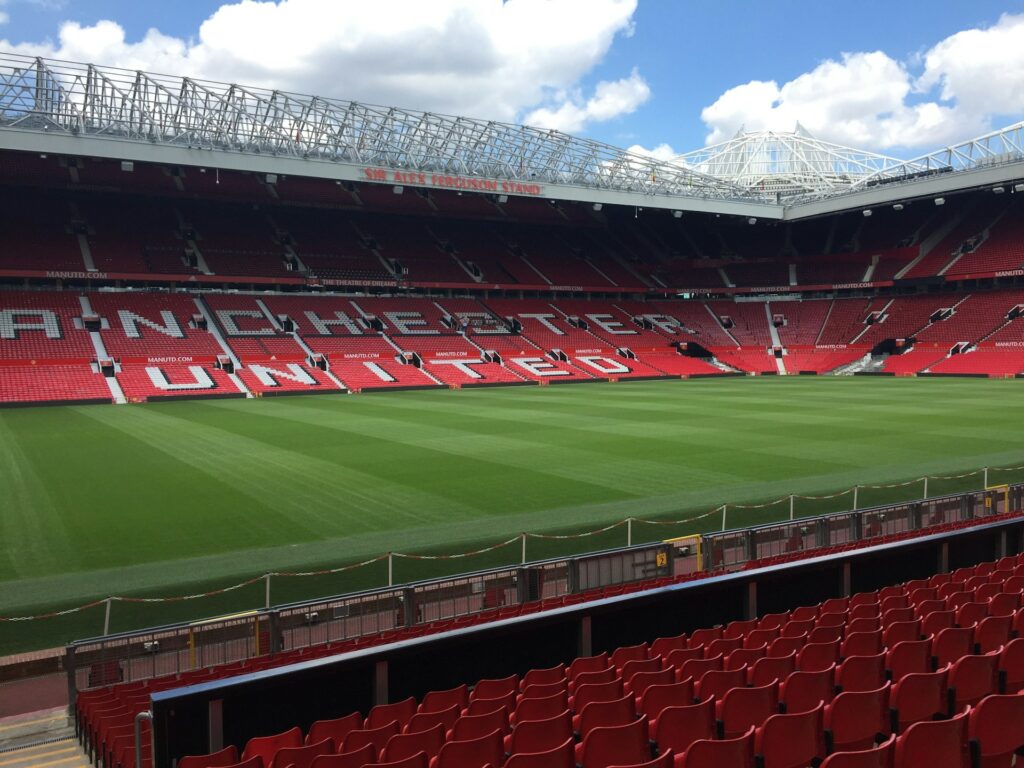
Capacity of the Sir Alex Ferguson Stand (North Stand). It features the largest cantilever roof in Europe
3 000
The weight in tons of the steel roof structure covering the stands
8
Years the stadium was out of commission due to WWII bombing damage (1941–1949)
155
The number of luxury executive boxes available for high-end corporate hospitality
278
Dedicated wheelchair positions for disabled supporters, following major accessibility upgrades
30 000
Linear meters of pipes and cables under the pitch for the undersoil heating system
200,000+
Average annual visitors to the Manchester United Museum and Stadium Tour
54
The total number of turnstiles through which fans enter the ground
20
Giant floodlight towers originally installed in 1957 before the full roof redesign
9
The height in millimeters to which the Desso GrassMaster (hybrid grass) is typically cut
£ 2 bln
The estimated cost (£2 billion) for the proposed „Wembley of the North” total rebuild or massive renovation project
What’s most intriguing about Old Trafford isn’t simply its capacity, but the structural evolution that allowed a 1910 stadium to transform into one of the largest football arenas in Europe without ever being completely rebuilt. Through successive expansions, engineers introduced massive cantilever roof structures that eliminate obstructing columns while spanning tens of metres over the stands. This layered engineering approach allows more than 74,000 spectators to occupy a structure originally conceived over a century ago, turning the home of Manchester United into a living example of how historic stadium architecture can continuously adapt to modern structural demands.
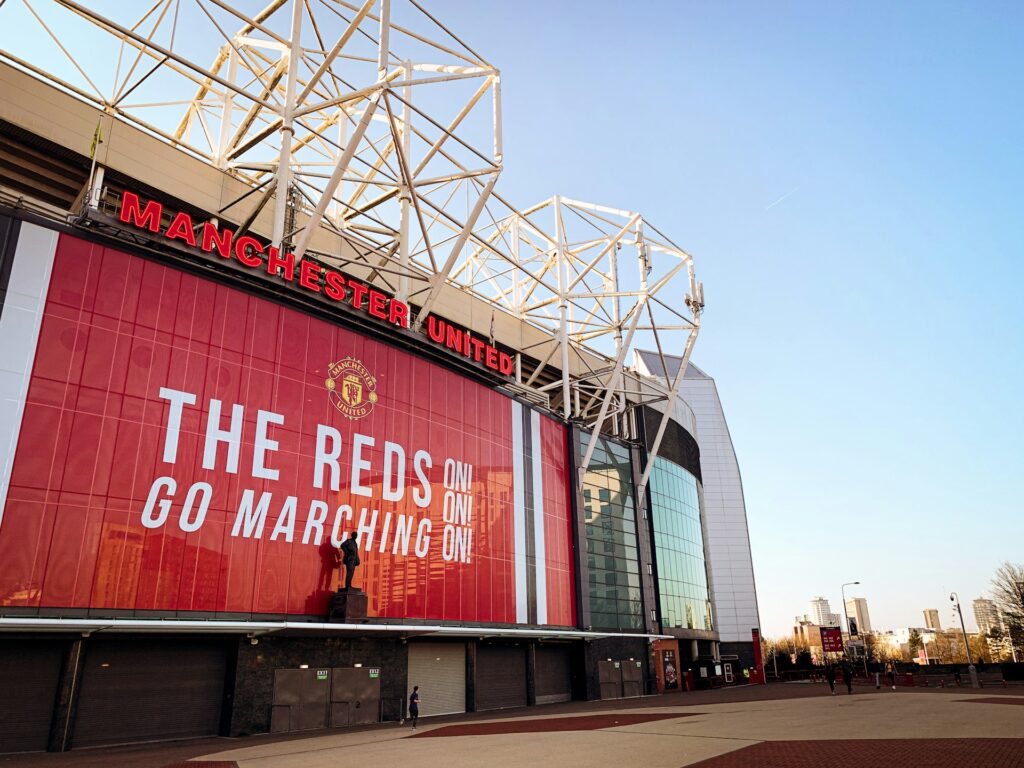
Engineering Behind Old Trafford
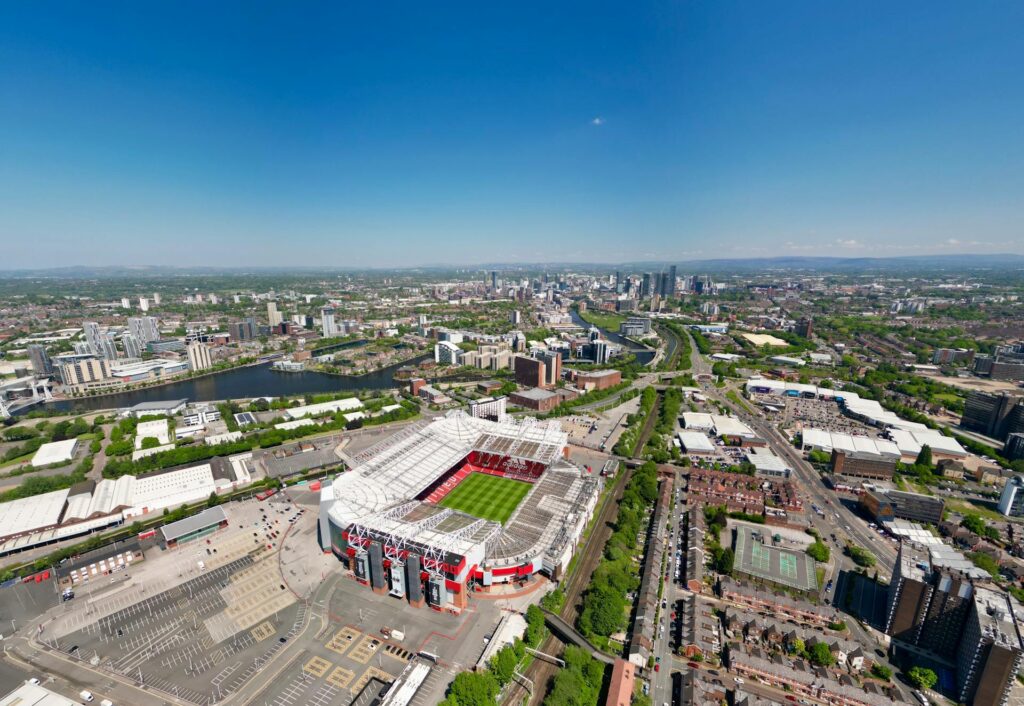
The engineering of Old Trafford is defined by continuous structural adaptation rather than a single unified construction phase. When the stadium opened in 1910, its steel-framed stands represented one of the most advanced stadium structures in Britain. The design by Archibald Leitch relied on large steel trusses supporting the roof above the main stand, allowing for clear sightlines and a then-impressive capacity of around 80,000 spectators. This early use of steel framing made the stadium both expandable and structurally resilient, a factor that later allowed engineers to repeatedly modernize the venue rather than rebuild it entirely.
A major engineering transformation occurred during the stadium’s late-20th-century expansions, particularly in the 1990s and early 2000s, when Old Trafford was converted into a predominantly seated stadium following modern safety standards. Engineers introduced large cantilever roof systems spanning more than 50 metres above the stands. These structures eliminated the need for interior columns, ensuring unobstructed views for tens of thousands of spectators. The roofs themselves consist of long-span steel trusses anchored into reinforced concrete cores that distribute loads across the stadium’s perimeter structure.
Another engineering challenge lies in the stadium’s asymmetrical structural layout. The Sir Alex Ferguson Stand, the largest section of the stadium, rises to three tiers and reaches a height of roughly 40 metres, significantly taller than the opposite stands. Supporting this massive tiered structure required deep reinforced concrete foundations and large steel transfer beams capable of carrying thousands of tonnes of vertical and lateral loads. Today, the integrated structural system allows the stadium to accommodate more than 74,000 spectators, while maintaining structural stability and sightline efficiency across all tiers.
Economic Impact and Financial Scale
The construction of Old Trafford in 1910 cost approximately £90,000, a substantial investment at the time for a sports facility. Adjusted to modern value, this would equal roughly £10–12 million today. However, the real financial scale of the stadium comes from its continuous expansions. Major redevelopments in the 1990s and early 2000s — including the addition of second tiers and the expansion of the North Stand — cost well over £100 million, transforming the venue into the largest club football stadium in the United Kingdom.
Today, Old Trafford is a major economic engine for Manchester United. On matchdays, the stadium can generate over £5–7 million in revenue per game, depending on ticket sales, hospitality packages, and commercial services. Across a full season of domestic and international competitions, matchday income alone can exceed £110 million annually, making it one of the most financially productive stadiums in European football.
Beyond direct stadium revenue, Old Trafford has a broader economic impact on the city of Manchester. The venue attracts more than 1 million visitors per year, including stadium tours and museum visitors. This steady flow of international fans supports local hotels, restaurants, and transportation services, contributing tens of millions of pounds annually to the regional economy while reinforcing the global brand value of Manchester United.
Trivia
The Survival of the Tunnel
The Central Tunnel is the only remaining part of the original 1910 construction. It miraculously survived the heavy German air raids during World War II while the rest of the stadium was devastated. Today, it stands as a silent monument to the building’s century-long resilience.
The Great Cantilever
The North Stand features the largest cantilever roof in Europe, spanning a massive distance without internal pillars. This engineering feat ensures that all 26,000 spectators in that section have a completely unobstructed view of the pitch. It remains a benchmark for stadium design despite being decades old.
Below Sea Level (Almost)
The pitch at Old Trafford is actually situated approximately 23 centimeters below the surrounding ground level. This subtle architectural choice was made to significantly improve the natural drainage of the playing surface. It also helps in maintaining a slightly more sheltered microclimate for the grass to grow.
The Blitz Displacement
Following a direct hit from a bomb in 1941, Manchester United was forced to play their home games at their rival’s stadium, Maine Road. The reconstruction process took eight years to complete due to post-war resource shortages. The club finally returned to their true home in August 1949.
Heating Under the Turf
To prevent the pitch from freezing during harsh English winters, there are 30,000 meters of heating pipes installed just below the surface. This complex network allows the ground staff to maintain a consistent soil temperature throughout the season. It ensures that matches can proceed even when outside temperatures drop below zero.
The Architect of Dreams
The original stadium was designed by Archibald Leitch, the most famous football architect in British history. He was responsible for the distinctive „industrial” look that defined early 20th-century sporting cathedrals. His influence is still felt in the footprint and soul of the modern-day structure.
The Hybrid Surface
The pitch isn’t just natural grass; it is a high-tech „Desso GrassMaster” hybrid system. It consists of natural grass interwoven with 20 million artificial silk fibers to provide extra stability. This combination allows the surface to withstand over 40 matches per year without losing its lush green appearance.
A Modern VIP Hub
Old Trafford houses 155 executive boxes, making it one of the most profitable hospitality venues in world sports. These private suites offer a premium viewing experience and are often booked years in advance. They represent the shift from traditional terraces to the modern „corporate” era of football architecture.
The Lighting Evolution
In 1957, the stadium installed its first permanent floodlight system to allow for evening matches. Before this, the club had to rely on portable lights or strictly afternoon kick-offs. This upgrade was a crucial step in allowing the stadium to host European Cup matches under the stars.
The Half-Time Rush
The stadium’s infrastructure is designed to handle a massive surge in demand during the 15-minute half-time window. Approximately 3,000 pints of beer are poured every single minute across the various concourse bars. This logistical miracle requires a highly sophisticated supply and distribution network behind the scenes.
Accessibility Upgrades
In recent years, the club invested millions to create 278 dedicated positions for wheelchair users. These sections are strategically placed to offer some of the best sightlines in the entire stadium. This architectural retrofitting ensures that the „Theatre of Dreams” is inclusive for all fans regardless of mobility.
The Two-Billion-Pound Future
As of 2026, plans are circulating for a total redevelopment that could cost up to £2 billion. This project aims to either modernize the current stands or build an entirely new 100,000-seat arena next door. It would be the most expensive stadium project ever undertaken in the United Kingdom.