
A 462-meter twisting skyscraper redefining the skyline of Saint Petersburg and setting new standards in sustainable high-rise design
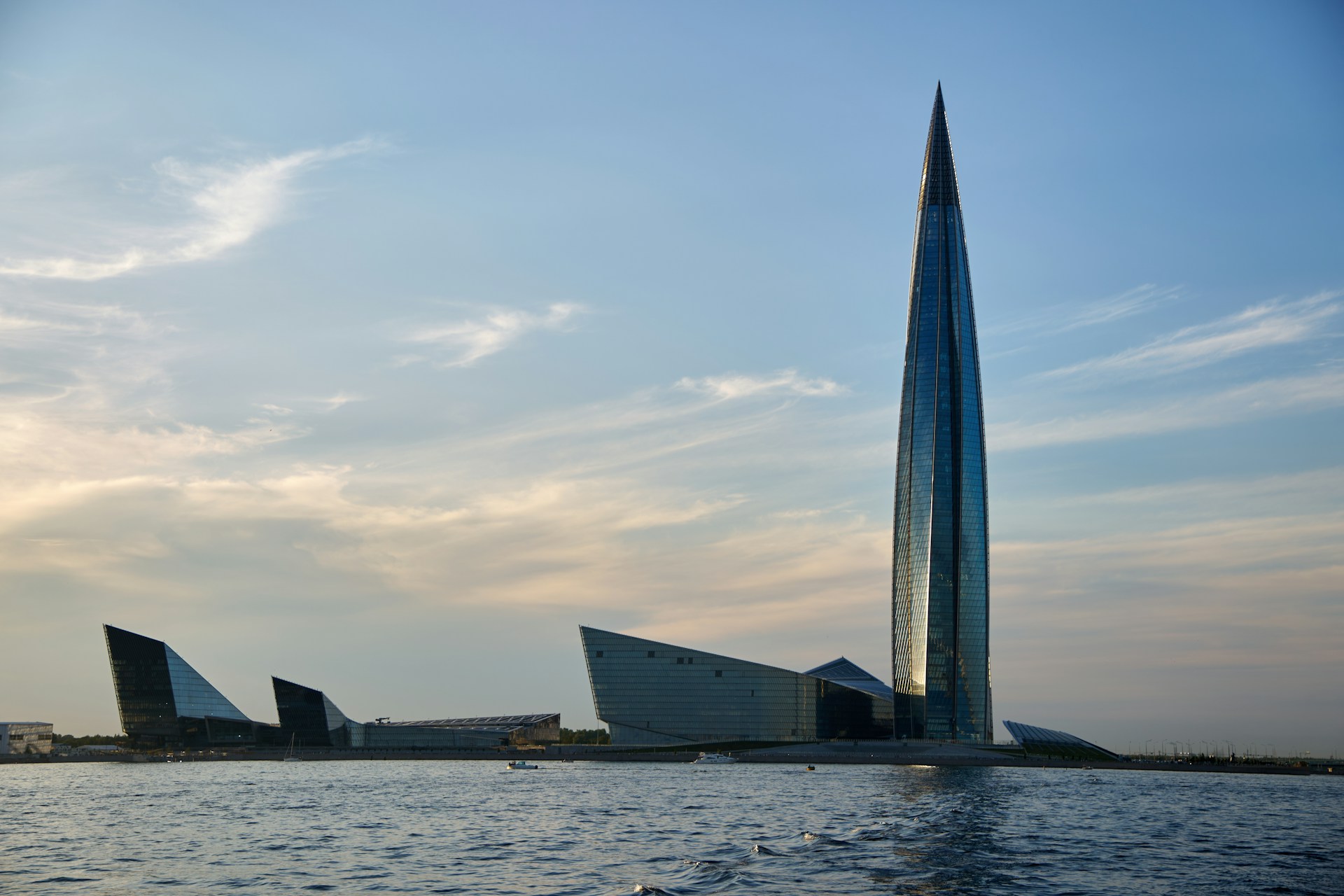
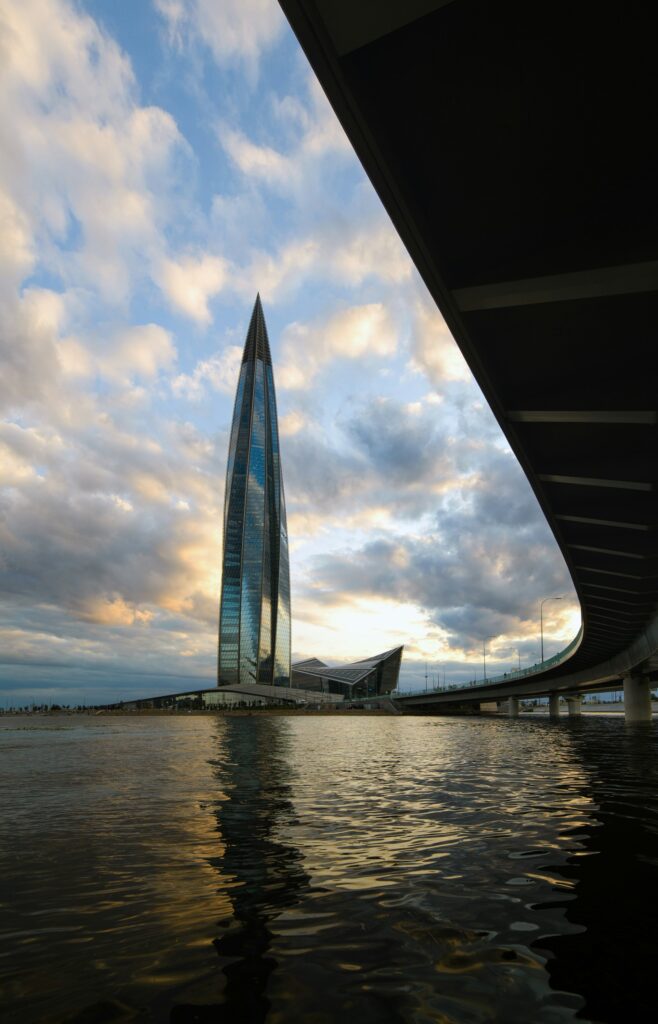
Rising from the shores of the Gulf of Finland in Saint Petersburg, the Lakhta Center is a striking example of how contemporary engineering can redefine a historic skyline. In a city best known for its imperial architecture, canals, and low-rise urban fabric, this soaring tower introduces a bold, futuristic presence that immediately captures global attention.
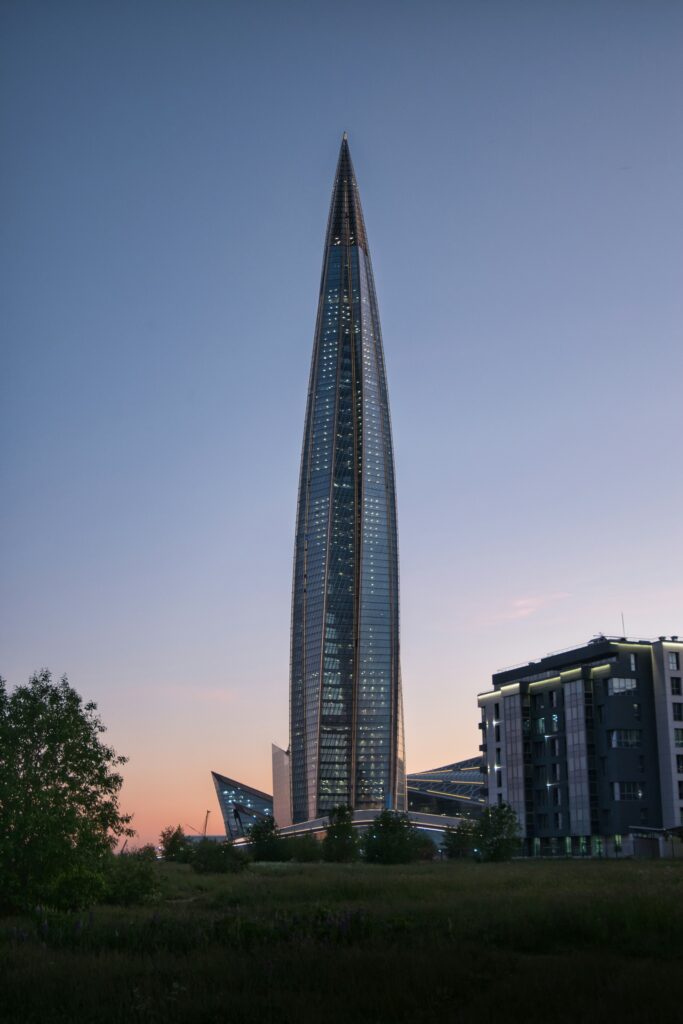
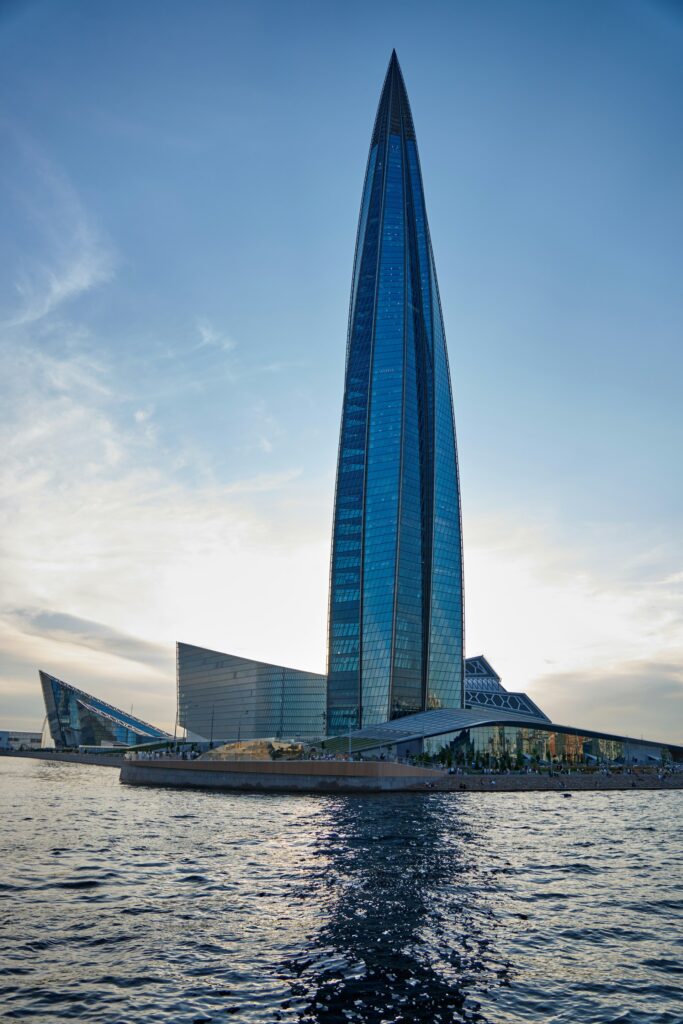
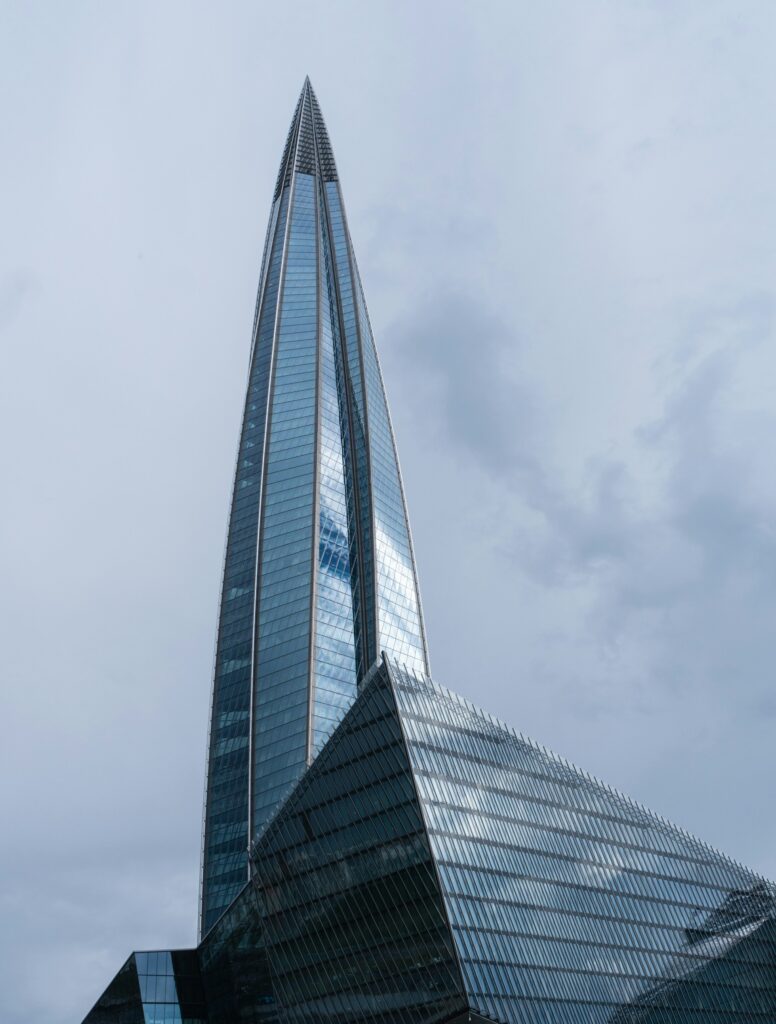
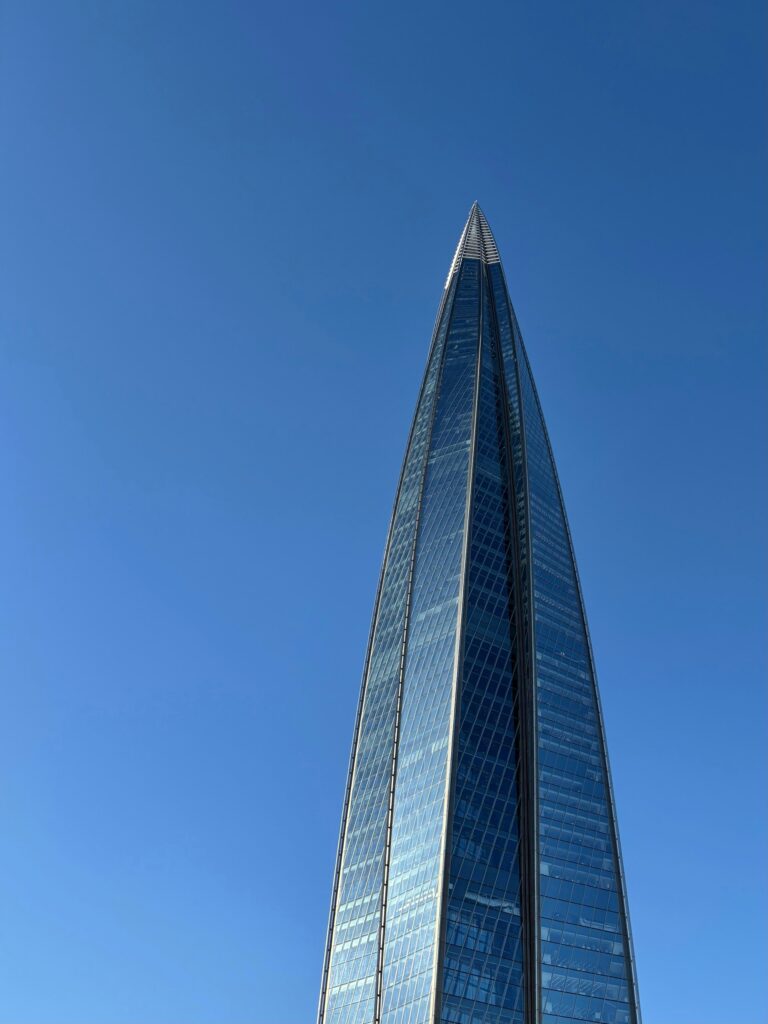
At 462 meters tall, Lakhta Center is the tallest building in Europe, distinguished by its elegant, twisting form that evokes a flame frozen in motion. This sculptural design is not only visually dramatic but also highly functional, optimizing wind resistance and structural efficiency at extreme heights. The tower serves as the headquarters of Gazprom, symbolizing energy, innovation, and forward-thinking development.
More than just an office skyscraper, Lakhta Center is conceived as a multifunctional complex. It integrates public spaces, cultural venues, educational facilities, and one of the highest observation decks in Europe, offering panoramic views over Saint Petersburg and beyond. Sustainability is also at the core of the project, with advanced energy-saving systems and environmentally conscious solutions making it one of the most technologically sophisticated high-rises in the world.
Set against the backdrop of a city steeped in history, Lakhta Center stands as a powerful statement of modern ambition—bridging tradition and the future, and earning its place among the most remarkable skyscrapers of the 21st century.
Marina Bay Sands Singapure in Numbers
462 m
the tower’s official architectural height
87
the tower’s official above floor
357 m
the height of the building’s highest occupied floor
70%
the share of façade glass units that are unique in shape
570 000 m²
the total inside area of the Lakhta Center facilities
130 000 m²
the total glazing area of the complex
16 505
the number of cold-bent façade panels used on the tower
49 h
the duration of the record-setting continuous concrete pour for the foundation slab
2 540
the number of concrete mixer deliveries made during the foundation pour
264
the number of piles supporting the tower foundation
2012–2019
construction period affecting total cost scale
$1.77 billion USD
estimated total construction cost of Lakhta Center
What makes Lakhta Center truly compelling is not just its record-breaking height, but the sophisticated structural system that allows its slender, twisting form to withstand extreme wind loads from the Gulf of Finland. The tower’s continuously rotating floor plates and reinforced concrete core work together to distribute forces efficiently, reducing structural stress while maintaining stability at 462 meters. This elegant integration of form and engineering transforms the building into more than a vertical landmark—it becomes a precise response to its environment, redefining how supertall structures can balance aesthetics, performance, and resilience.
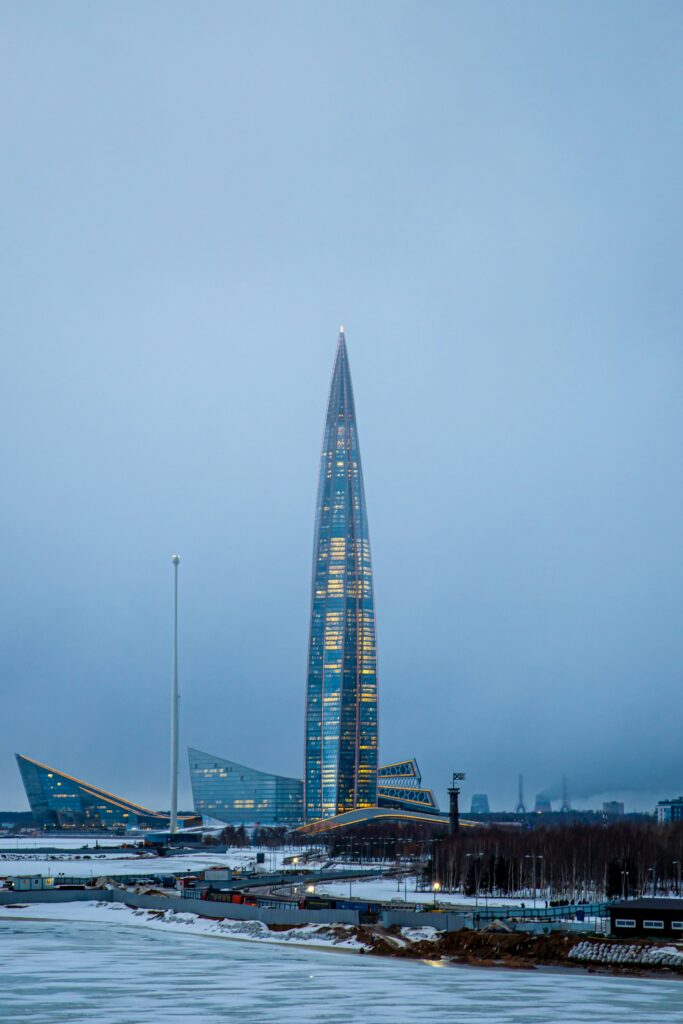
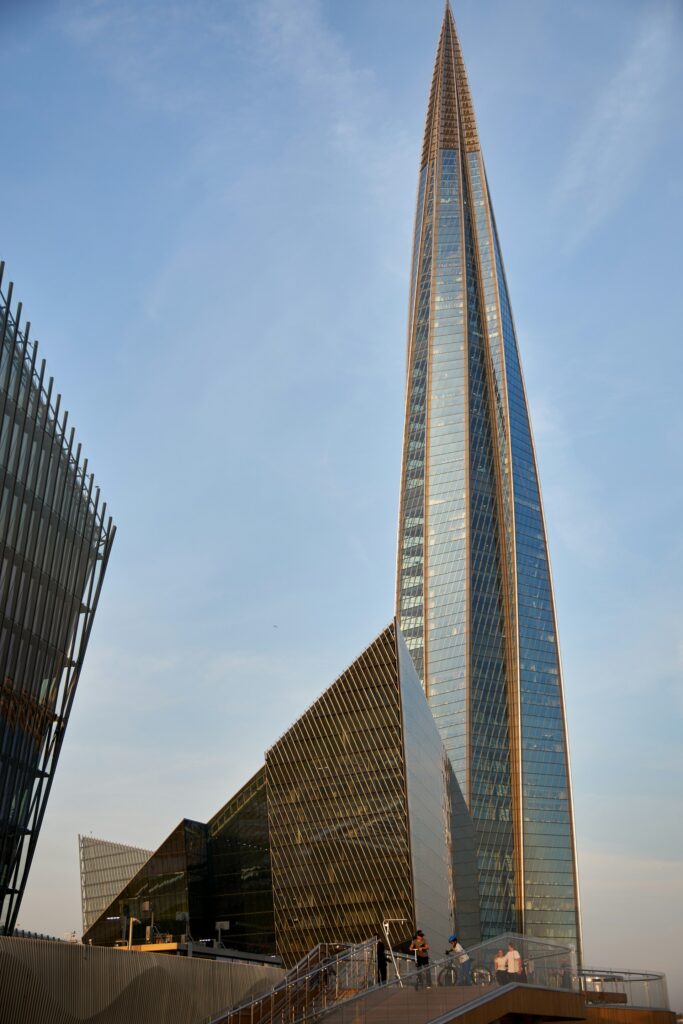
Lakhta Center – Structural Engineering Behind Europe’s Tallest Tower
Lakhta Center’s engineering begins with its aerodynamic form, which is not merely aesthetic but essential to its performance. The tower rotates by a total of approximately 90 degrees from base to top, with each floor slightly offset from the one below. This continuous twist disrupts wind flow, reducing vortex shedding and minimizing oscillations—one of the key challenges in supertall construction, especially in the exposed coastal conditions of the Gulf of Finland.
At the core of the structure lies a reinforced concrete central core, one of the tallest of its kind in the world. This core works in tandem with perimeter columns and outrigger systems to distribute loads efficiently across the building’s height. The result is a highly stable structural system that allows the tower to remain slender while maintaining rigidity, even under extreme lateral forces such as strong winds and temperature variations.
The foundation system is equally remarkable. Lakhta Center is supported by 264 deep piles reaching depths of up to 82 meters, anchored into stable soil layers beneath challenging ground conditions. The foundation slab itself was created using a continuous 49-hour concrete pour—setting a world record and ensuring structural integrity without cold joints, which could otherwise compromise long-term durability.
Another critical aspect is the façade engineering, which combines performance with complexity. The building envelope consists of over 16,500 glass panels, many of them uniquely shaped due to the tower’s twisting geometry. These cold-bent glass units not only define the building’s visual identity but also improve energy efficiency by optimizing daylight penetration while reducing heat loss in Saint Petersburg’s harsh climate.
Finally, Lakhta Center integrates advanced sustainability and building systems engineering. The tower incorporates energy-saving technologies such as heat recovery systems, intelligent climate control, and high-performance glazing. These systems significantly reduce energy consumption compared to conventional skyscrapers, positioning Lakhta Center as one of the most environmentally advanced supertall buildings in Europe.
Lakhta Center – Investment, Costs and Economic Scale
Lakhta Center represents one of the most significant private investments in European high-rise construction, with an estimated total cost of approximately $1.7–1.8 billion USD. Fully financed by Gazprom, the project reflects not only the ambition to create a new corporate headquarters but also a strategic move to establish a long-term architectural and economic landmark in Saint Petersburg. The scale of investment places the building among the most expensive skyscrapers ever completed in Europe.
The financial structure of the project is closely tied to its technical complexity and design ambition. The tower’s twisting geometry, custom-engineered façade with thousands of unique glass panels, and advanced foundation system significantly increased construction costs compared to conventional high-rises. Additionally, the integration of public spaces, cultural facilities, and infrastructure within the broader complex expanded both the scope and budget, transforming Lakhta Center from a single tower into a multifunctional urban development.
From an economic perspective, Lakhta Center can be understood as a long-term asset rather than a short-term investment. By consolidating Gazprom’s operations and creating a new business hub on the outskirts of the city, the project contributes to urban decentralization and regional development. Its iconic status also enhances the global image of Saint Petersburg, reinforcing the role of landmark architecture as a tool for economic positioning and international visibility.
Trivia
World Record Concrete Pour
Lakhta Center holds a Guinness World Record for the largest continuous concrete pour. The foundation slab required 19,624 cubic meters of concrete poured over 49 hours without interruption. This ensured maximum structural integrity and eliminated weak points within the base.
A Twisting Geometry with Purpose
The tower rotates approximately 90 degrees from base to top. This design is not only aesthetic but significantly reduces wind loads acting on the structure. As a result, the building experiences less sway compared to conventional straight towers.
Europe’s Tallest Skyscraper
At 462 meters, Lakhta Center is the tallest building in Europe. It surpasses all other skyscrapers on the continent by a considerable margin. This makes it a dominant feature in the Saint Petersburg skyline.
Extreme Climate Engineering
The building is designed to withstand harsh northern weather conditions. Temperatures in Saint Petersburg can drop below −20°C, requiring specialized façade and insulation systems. The glazing helps retain heat while still allowing maximum daylight penetration.
Unique Glass Façade
Over 70% of the façade panels are unique in shape due to the tower’s twisting form. This required advanced cold-bending glass technology during construction. It makes Lakhta Center one of the most complex curtain wall systems ever built.
A Public Observation Deck
Lakhta Center features one of the highest observation decks in Europe. Visitors can enjoy panoramic views of the Gulf of Finland and the entire city. On clear days, visibility extends for dozens of kilometers.
A Symbol of Corporate Power
The tower serves as the headquarters of Gazprom, one of the largest energy companies in the world. Its scale reflects both economic strength and technological capability. The project was also intended to consolidate various company departments into one location.
A Shift in Urban Development
Unlike most landmarks in Saint Petersburg, Lakhta Center is located outside the historic city center. This decision was made to preserve the traditional skyline and UNESCO-listed areas. It has also helped stimulate development in a previously underutilized district.