
A Vertical Core for Malaysia’s Financial Ambitions
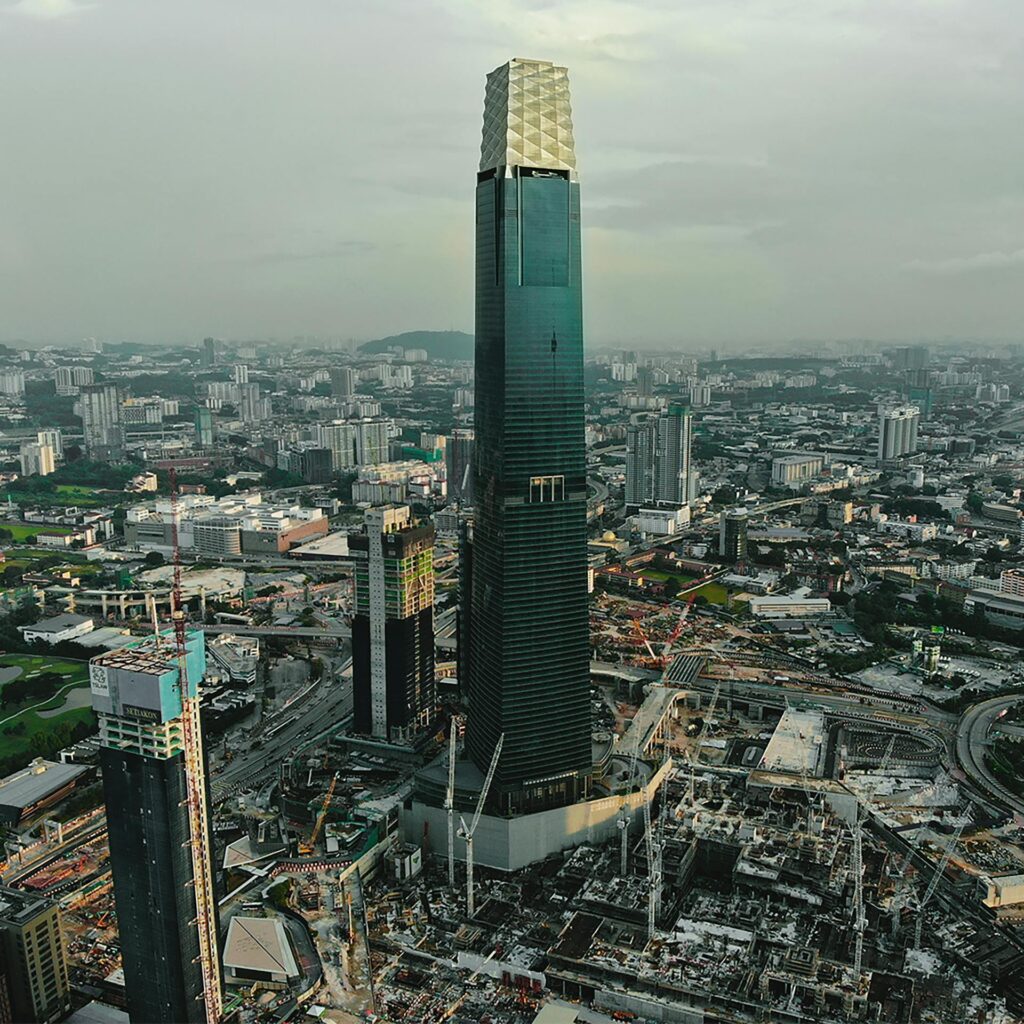
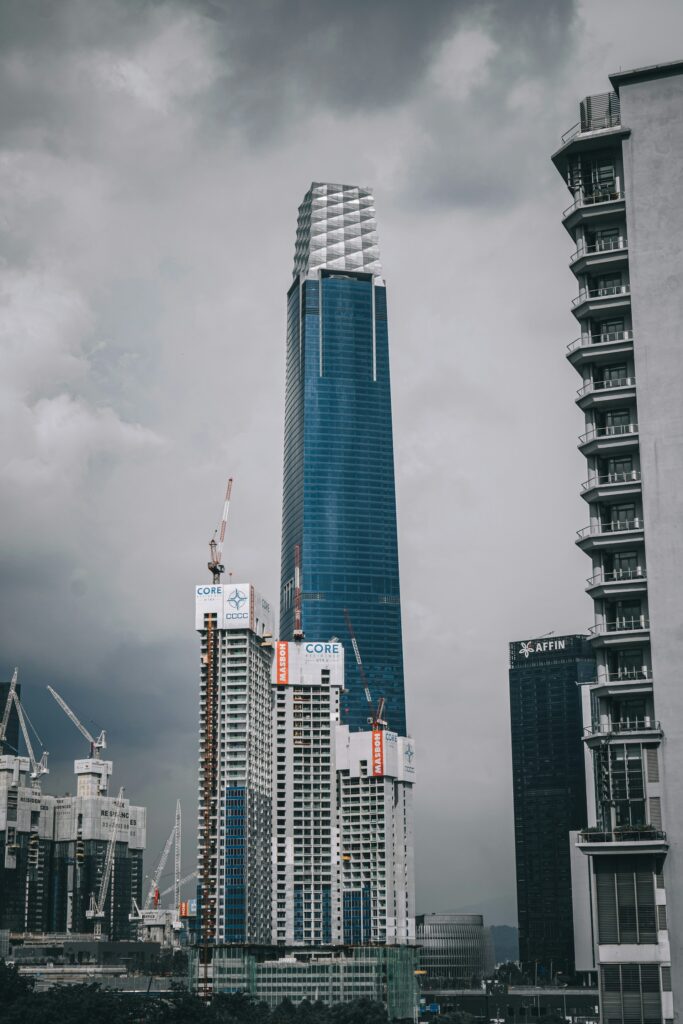
Rising 445 meters above Kuala Lumpur’s skyline, The Exchange 106 is more than a supertall office tower — it is the physical centerpiece of Malaysia’s most ambitious financial district development. Located within the Tun Razak Exchange (TRX), a purpose-built international financial hub, the building represents a strategic shift in the city’s urban and economic gravity.
With 106 above-ground floors and over 2.6 million square feet of net lettable area, The Exchange 106 ranks among the tallest office buildings in the world. Yet its importance cannot be measured by height alone. The tower was conceived as anchor infrastructure: a vertical ecosystem designed to attract multinational banks, investment firms, and global corporations. In this context, architecture becomes policy — a spatial tool engineered to support capital flows, institutional density, and long-term economic positioning.
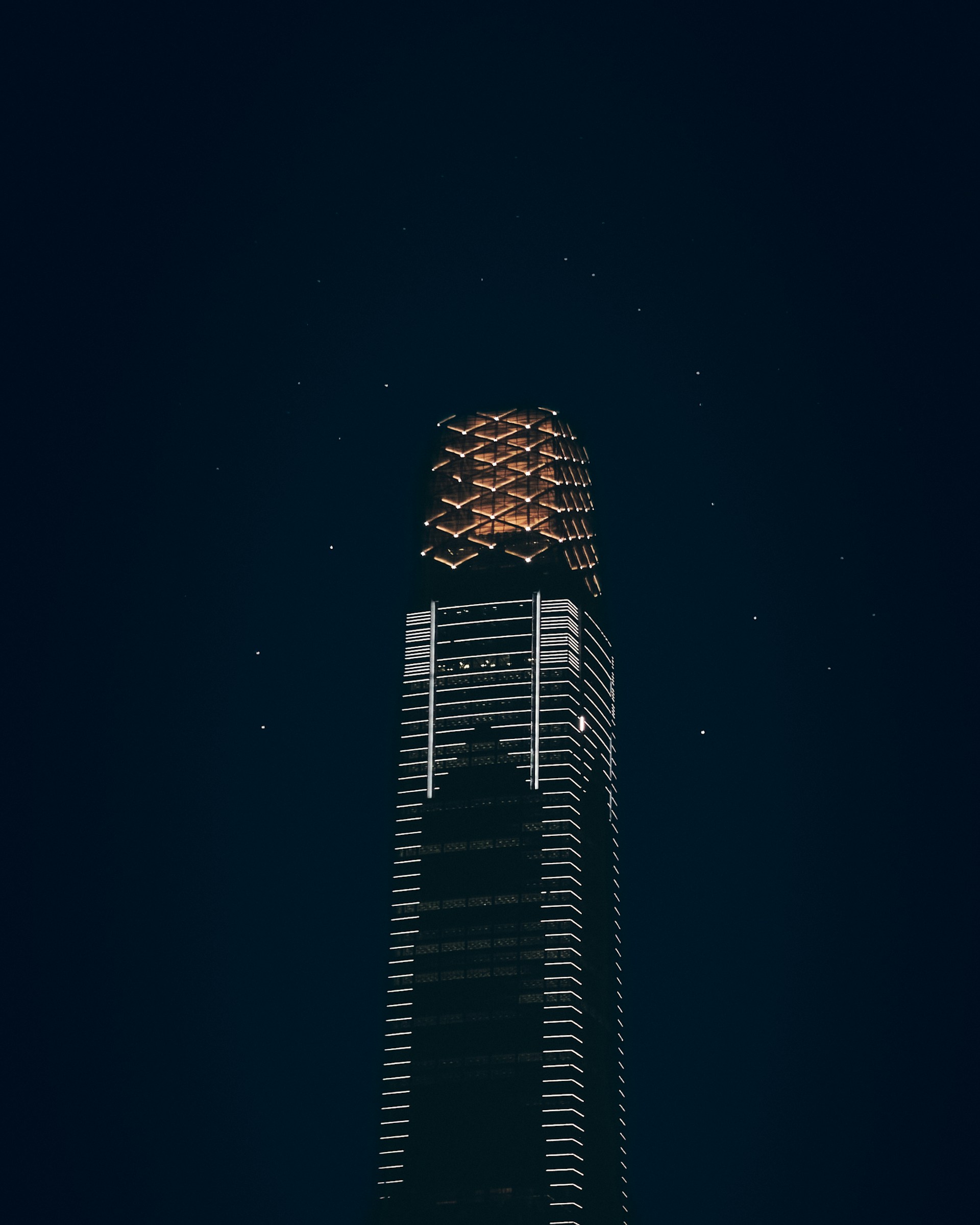
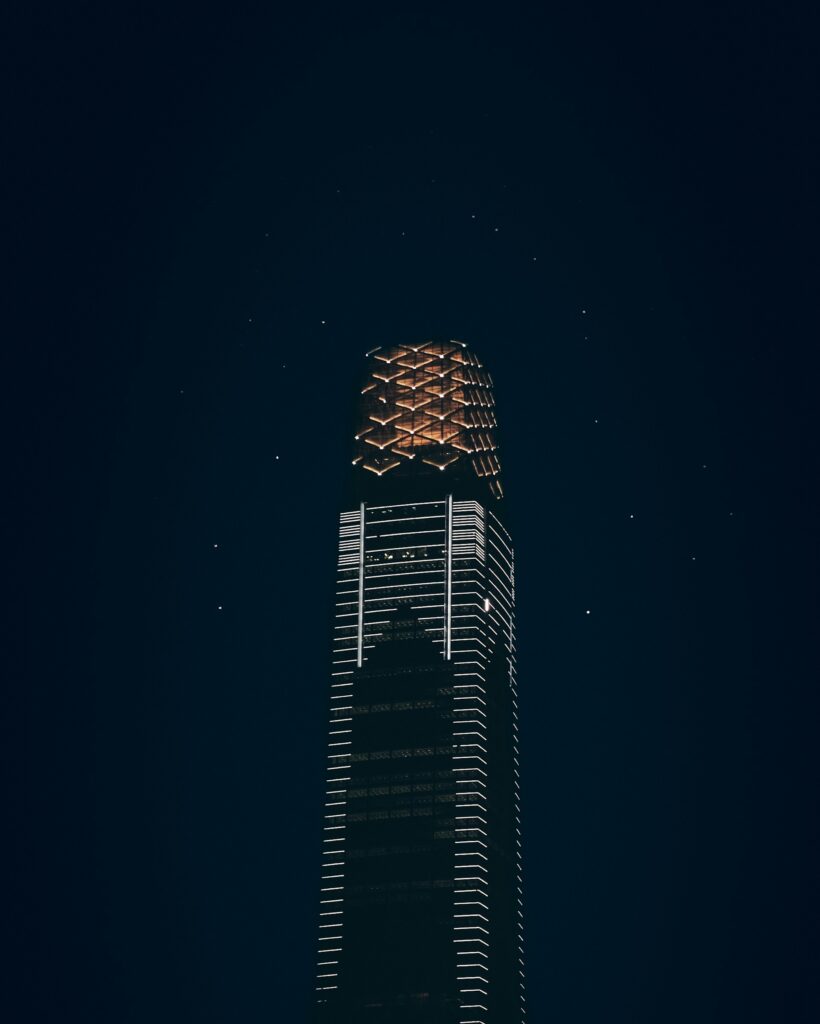
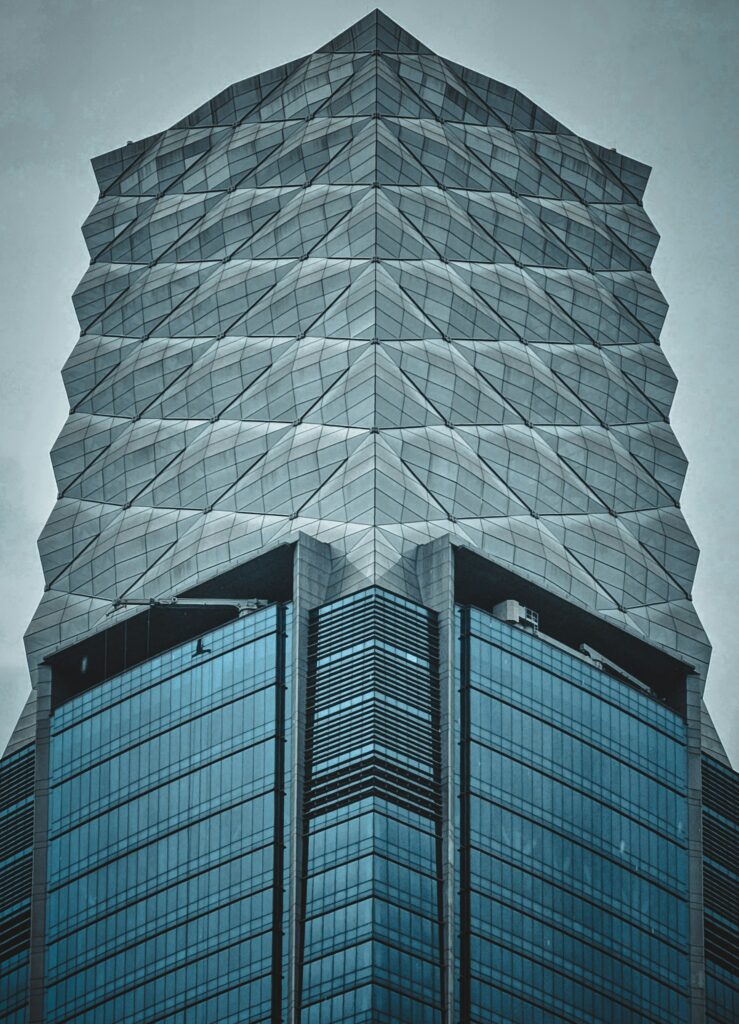
Its tapered form enhances structural efficiency while reinforcing its slender visual profile. The fully glazed façade maximizes daylight penetration and energy performance, aligning with contemporary high-grade office standards. At the top, a crystalline crown distinguishes the tower within Kuala Lumpur’s skyline, signaling both prestige and precision.
The Exchange 106 is not an isolated landmark competing for attention; it is the organizing axis of a master-planned financial district. As cities increasingly compete through infrastructure rather than symbolism alone, this tower stands as a case study in how scale, engineering, and economics converge into a single vertical statement.
The Exchange 106 in Numbers
453.6
The official architectural height, making it one of the tallest skyscrapers in Southeast Asia
106
The total number of levels (including mechanical floors and the crown)
48 m
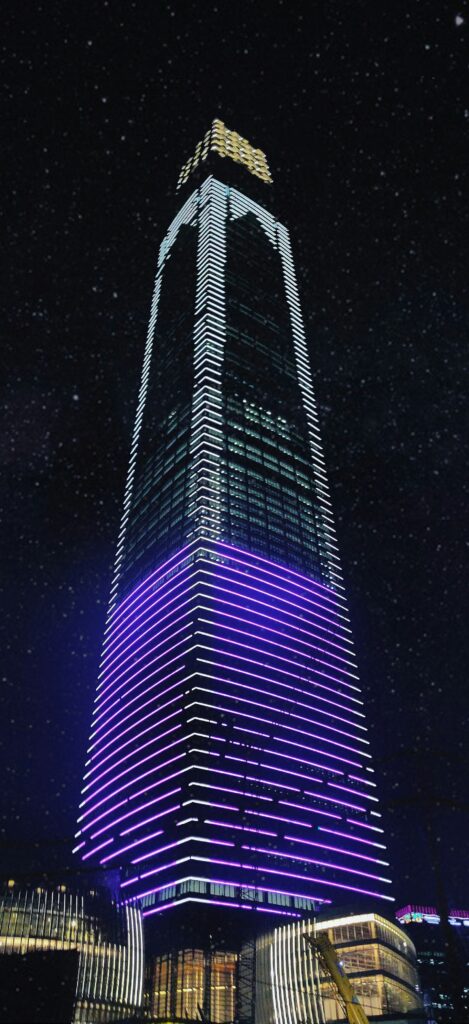
The height of the illuminated glass crown, which features 12 levels of specialized LED lighting
150 000 m³
The total volume of concrete used throughout the building’s structure
20 000 000
The total amount of labor logged to complete the massive project (man hour)
453 885 m²
The Gross Floor Area (GFA), making it one of the world’s largest office buildings by floor space
241 500 m²
The Net Lettable Area (NLA) available for premium tenants
3 150 m²
The typical floor plate size, offering the largest column-free office spaces in Malaysia
22 000
Estimated daily working population capacity
64
The total number of lifts, including high-speed double-deck elevators for zone transfers
2 116
The capacity of the integrated underground parking facility
820 mln $
The total cost
What defines this tower is not its 453-meter height, but the structural and economic precision behind it. The Exchange 106 turns engineering efficiency into rentable performance, using a rigid concrete core and optimized floor plates to maximize institutional-grade office space.
Structural Logic Behind a 453-Meter Office Tower
Designing a 453.1-meter office tower in a dense financial district demands more than vertical ambition — it requires structural discipline. The Exchange 106 was engineered around a high-performance reinforced concrete core that acts as the primary lateral load–resisting system. This central core absorbs wind forces and torsion while perimeter supercolumns distribute gravity loads efficiently down to the foundations. The result is a structure optimized for stiffness without excessive structural mass, a crucial factor in controlling both material costs and long-term building movement.
Unlike mixed-use supertalls, this tower is entirely office-driven, which directly influenced its engineering grid. Floor plates were designed for flexibility, allowing large uninterrupted spans and adaptable tenant layouts. The spacing of perimeter columns was calculated to balance structural efficiency with leasable area optimization. In supertall commercial buildings, structural grids are economic instruments — every meter of span affects rental yield. Engineering decisions here were made not only for stability, but for financial performance.
Wind behavior in Kuala Lumpur’s tropical climate required careful aerodynamic refinement. The tower’s subtly tapering form reduces wind pressure toward the upper levels and mitigates vortex shedding effects. Controlling lateral acceleration is particularly important in office buildings, where occupant comfort thresholds are stricter than in residential towers. Structural stiffness, combined with mass distribution and damping characteristics inherent to the concrete system, ensures serviceability performance without relying heavily on visible mechanical dampers.
Beneath the surface, the foundation system transfers immense vertical loads into deep subsoil conditions. High-capacity bored piles anchor the tower securely, while lower-level core walls use higher-strength concrete mixes to handle cumulative compressive forces. 64 high-speed elevators integrate into the core, transforming it into both a structural spine and a circulation engine. In this way, The Exchange 106 demonstrates how contemporary supertall engineering is no longer about height alone — it is about precision, integration, and the seamless fusion of structure, economics, and urban intent.
Vertical Real Estate Economics
The Exchange 106 was never designed as a symbolic skyscraper — it was conceived as a financial asset embedded in national economic strategy. With an estimated construction cost of RM 3–3.5 billion (≈ USD 700–820 million at completion time), the tower represents a capital-intensive investment whose viability depends on long-term institutional tenancy rather than short-term prestige. In this context, height functions as positioning: the building signals stability, scale, and global ambition to multinational banks and financial institutions.
Its 2.6 million square feet of net lettable area transforms the tower into a vertical revenue platform. Prime office rents in Kuala Lumpur’s premium segment have ranged roughly between RM 12–18 per square foot per month, placing the building in competition with established CBD zones. At stabilized occupancy, gross annual rental income potential reaches hundreds of millions of ringgit. For a pure office tower of this scale, occupancy rate and lease duration become more important than iconic status. Long-term anchor tenants reduce volatility and secure predictable cash flow — critical for institutional-grade assets.
The building also operates within the broader Tun Razak Exchange (TRX) masterplan, a 70-acre financial district with an estimated Gross Development Value of around RM 40 billion. This shifts the economic lens from single-building ROI to district-scale capitalization. The Exchange 106 acts as a value catalyst: premium office supply increases land valuation, attracts global tenants, and strengthens Malaysia’s positioning as a regional financial hub competing with Singapore and Hong Kong.
Infrastructure investment further reinforces its economic logic. Direct integration with two MRT lines enhances accessibility, increasing both tenant attractiveness and long-term asset resilience. In modern financial districts, connectivity directly correlates with rental strength. The Exchange 106 therefore functions less as a standalone skyscraper and more as a macroeconomic tool — a vertically concentrated mechanism designed to attract capital, consolidate financial activity, and redefine Kuala Lumpur’s commercial gravity.
Trivia
The Record-Breaking Foundation
The building sits on a massive concrete mat that is over 5 meters thick. During construction, workers performed a continuous pour of 19,000 m³ of concrete over the course of 80 hours. This feat remains one of the largest and longest continuous concrete pours in global construction history.
The Speed of Growth
At the height of its construction, the tower grew at an astonishing rate of one floor every two to three days. This was achieved through a “jump-form” system that allowed the concrete core to rise independently of the floors. Such efficiency set a new benchmark for high-rise development in Southeast Asia.
A Crown Made of Glass
The skyscraper is topped by a 48-meter tall, 12-story glass crown that functions as its signature architectural feature. It is illuminated by high-powered LEDs that can change colors to mark national holidays or special events. This crown is designed to be crystal clear, providing a “shining jewel” effect against the Kuala Lumpur skyline.
Column-Free Freedom
The engineering team utilized long-span steel beams to create entirely column-free office floor plates. This design allows tenants to have an unobstructed 360-degree view and total flexibility in office layout. It is currently the only building in Malaysia to offer such massive open-plan spaces at this height.
The Aluminum Armor
The building’s exterior is wrapped in a high-tech unitized curtain wall system made of extruded aluminum and double-glazed glass. Aluminum was chosen for its lightweight properties and its ability to resist the corrosive, humid tropical climate of Malaysia. These panels reflect the sunlight during the day, giving the tower a shimmering, metallic appearance.
A Vertical Financial Hub
The Exchange 106 is the centerpiece of the Tun Razak Exchange (TRX), Malaysia’s first dedicated international financial district. It was designed specifically to compete with global hubs like London’s Canary Wharf and New York’s Wall Street. The building serves as a strategic magnet for multinational corporations and major global banks.
High-Speed Vertical Travel
The tower is equipped with 64 elevators, many of which are high-speed, double-deck systems. These lifts can travel at speeds of up to 10 meters per second, whisking passengers to the top floors in under a minute. The system is managed by artificial intelligence to minimize waiting times during peak office hours.
The Tropical Temperature Challenge
To combat the intense Malaysian heat, the building uses specialized Low-E glass that filters out infrared radiation. This high-performance skin works in tandem with an advanced cooling system to reduce energy consumption significantly. These efforts helped the building secure its prestigious LEED Platinum certification.
A Lobby of Grandeur
The main entrance lobby features a staggering 15-meter high ceiling and is finished with premium materials. It is adorned with rare English Burlwood and book-matched marble sourced from around the world. This space is intended to provide a sense of “prestige and arrival” for high-profile business visitors.
Intelligent Water Conservation
The building features a sophisticated rainwater harvesting system that collects tropical downpours for non-potable use. This water is filtered and used for irrigation of the surrounding greenery and for cooling tower top-ups. This sustainable loop saves millions of liters of fresh water every year.
Resilience Against the Elements
Engineers conducted extensive wind tunnel testing to ensure the building remains stable during severe tropical storms. The rounded corners and aerodynamic aluminum fins help to disrupt wind flow and prevent the tower from swaying uncomfortably. This makes it one of the most structurally “quiet” and stable skyscrapers for its height.
Digital Ready Infrastructure
The Exchange 106 holds a Tier 1 MSC status, meaning it has the highest level of digital connectivity and power redundancy. It features dual-fiber entry points and 24/7 technical support to ensure zero downtime for financial institutions. This makes it an ideal “plug-and-play” environment for global fintech and tech giants.