
The Luminous Core of Barcelona: Torre Agbar
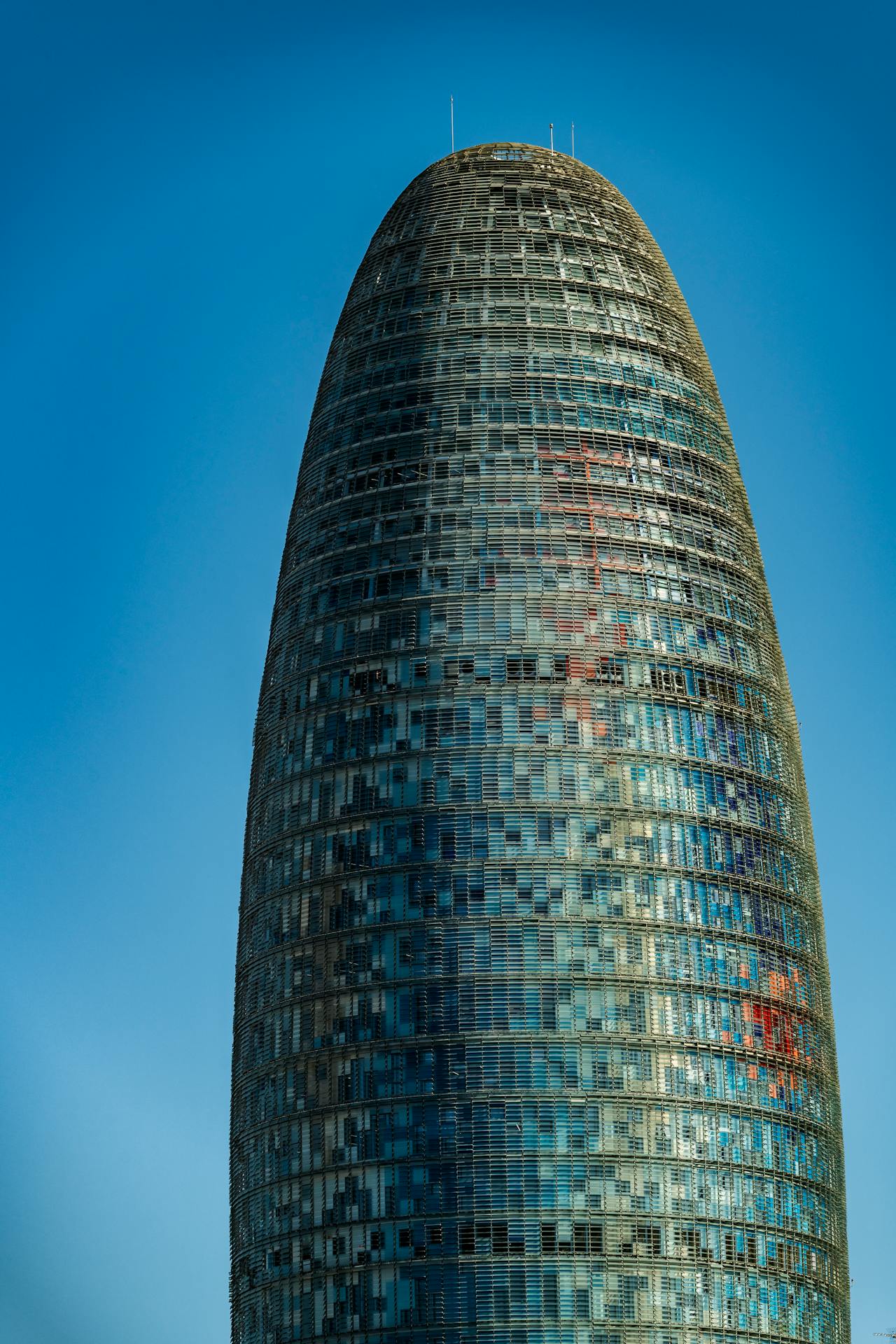
At first glance, Torre Agbar seems to defy the very logic of the skyscraper. It does not rise through repetition, nor does it assert itself through corners, edges, or symmetry. Instead, it grows — smooth, continuous, and almost geological — as if shaped by pressure rather than by floors. In a city defined by horizontality and historic textures, this vertical form introduces a new architectural language based on flow, light, and performance.
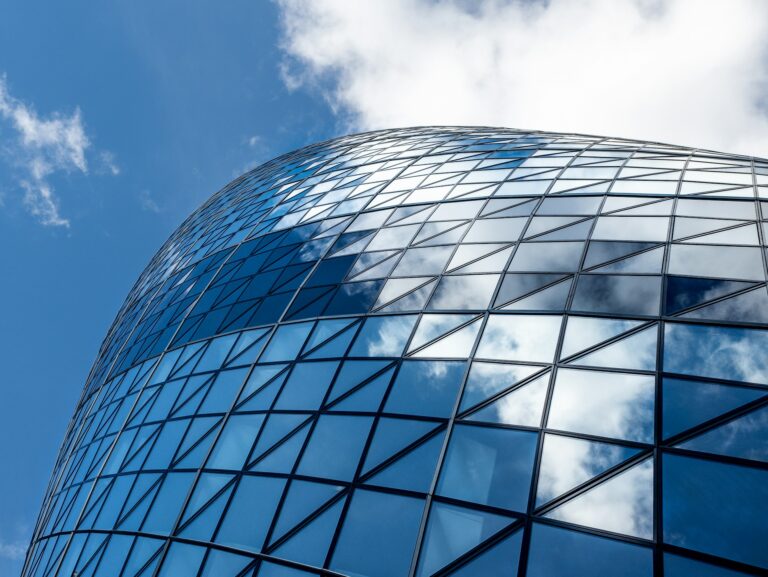
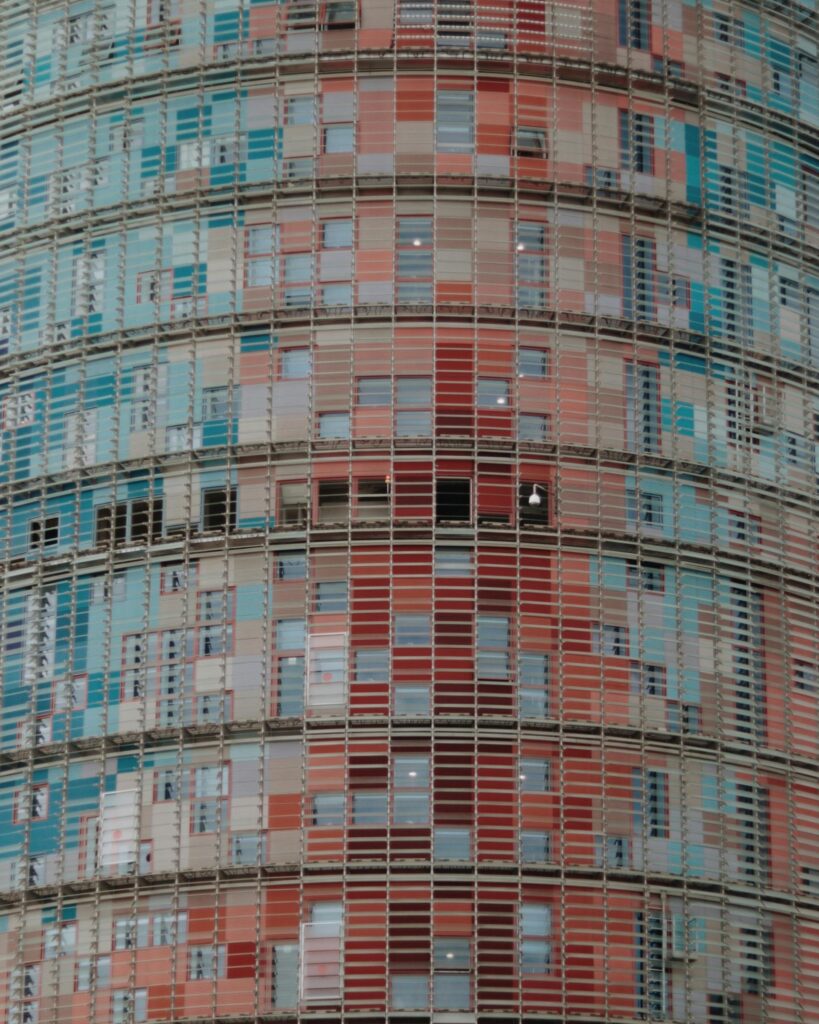
Designed by Jean Nouvel and completed in 2005, the building rejects the glass-box paradigm that dominated late-20th-century high-rise architecture. Its structure is conceived as a compact concrete core wrapped in a double skin: an inner layer of colored glass and an outer layer of movable aluminum louvers. This system allows the tower to regulate heat, light, and visual transparency, transforming the façade into a responsive membrane rather than a static surface.
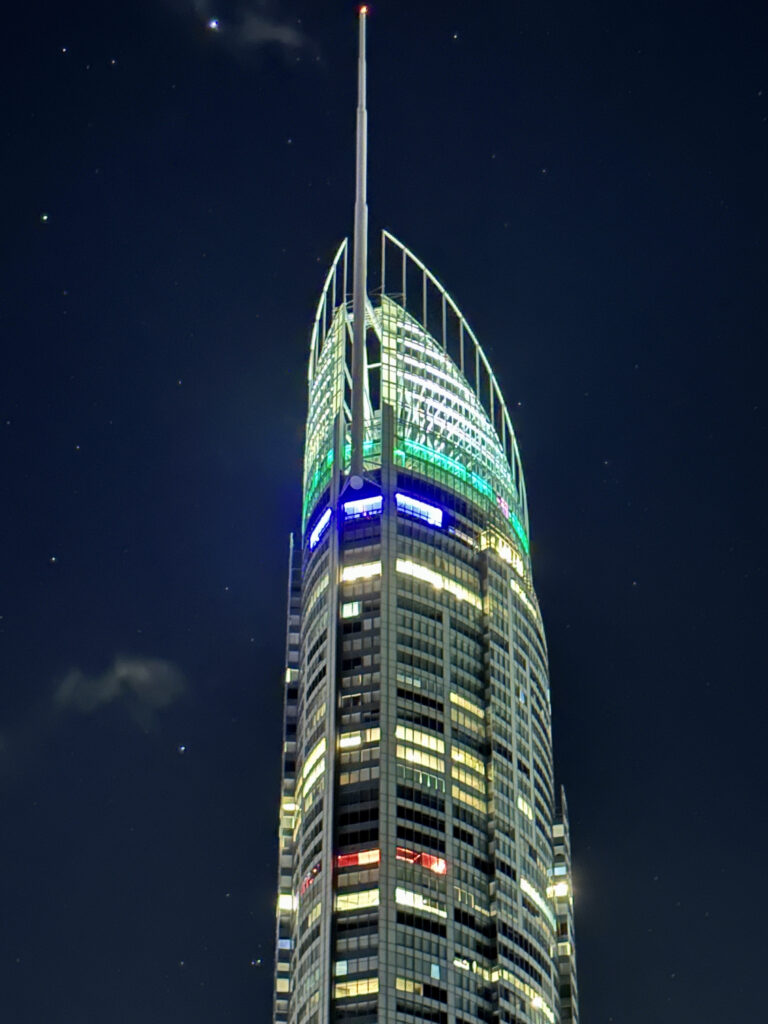
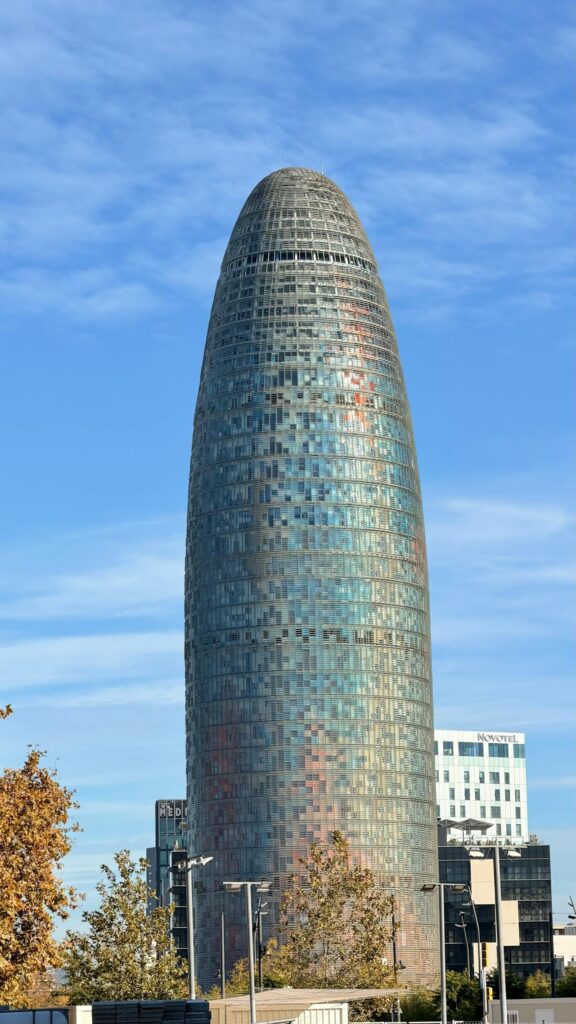
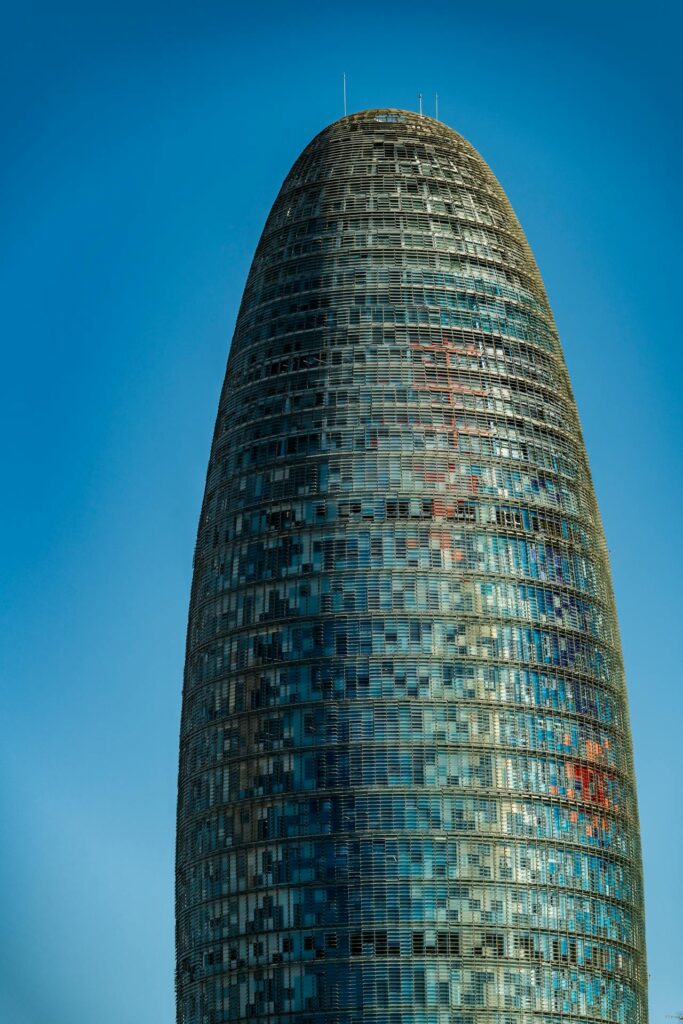
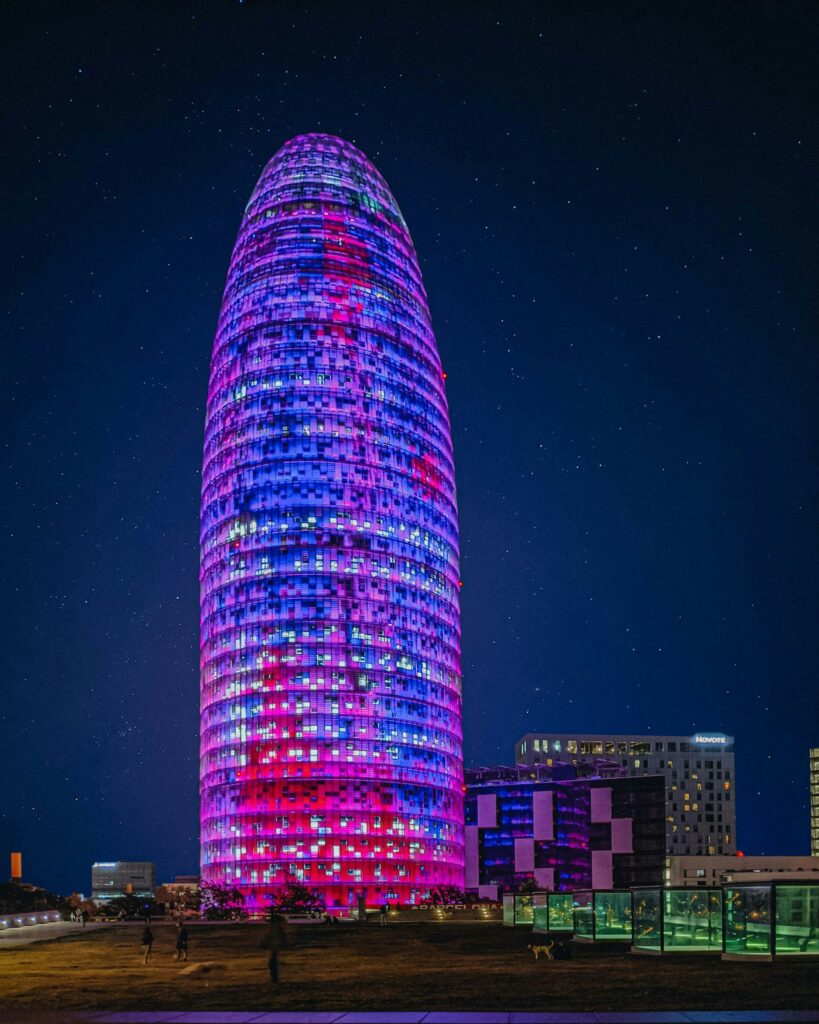
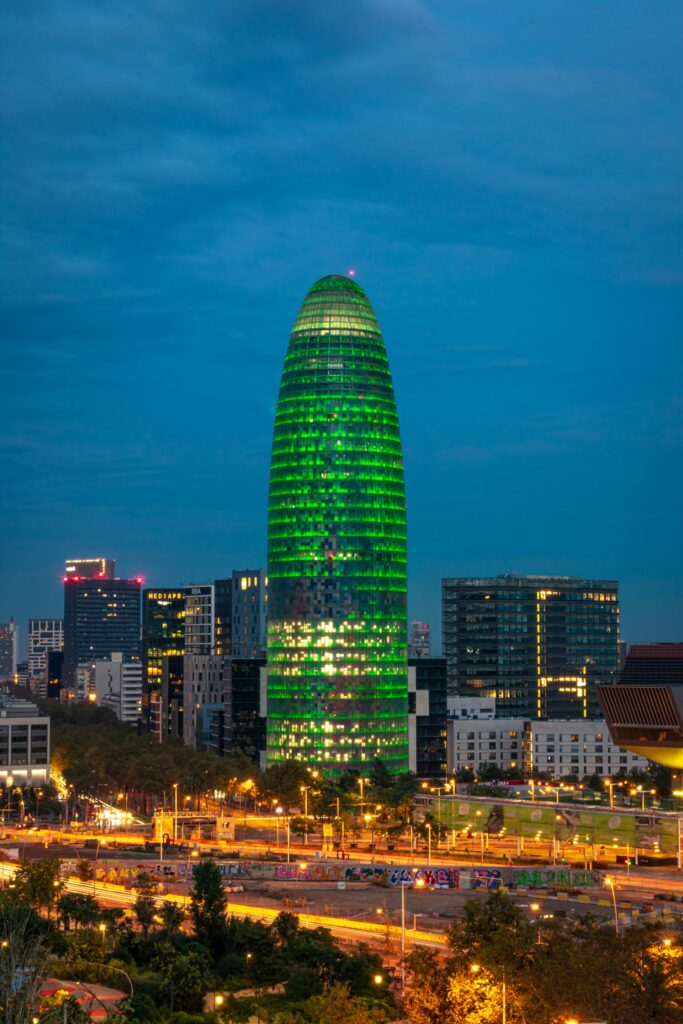
Torre Agbar’s appearance is never fixed. During the day, its color shifts subtly with the Mediterranean light, ranging from deep blues to warm reds. At night, the building dissolves into a luminous vertical landscape, animated by thousands of programmable LED points. Architecture here is not a frozen object but a continuous event — one that changes with time, weather, and the life of the city itself.
More than a landmark, Torre Agbar represents a shift in how tall buildings can interact with their environment. It is not designed to dominate Barcelona’s skyline, but to resonate with it — translating climate, movement, and energy into form. In this sense, the tower is less a monument and more an instrument: a structure that measures the city through light, numbers, and performance rather than height alone.
Torre Agbar in Numbers
144,44 m
Height of Torre Agbar
4,410
The number of rectangular windows cut directly into the monolithic reinforced concrete shell
59 619
The total count of glass louvers (lamele) that form the translucent outer skin
26
The number of distinct color shades used for the aluminum skin, ranging from earth reds at the base to sky blues at the to
~16,000 m²
The approximate number of lacquered aluminum panels fixed to the concrete, providing the vibrant color gradient beneath the glass
50 693 m²
Total gross floor area
25 000 m³
The volume of concrete used
130 mln EUR
The original construction cost of the project upon its completion in 2005
What makes this tower truly compelling is not its height, but the way it dissolves into light and colour. Rather than standing as an isolated object, the building behaves like an atmospheric device — filtering sunlight, reflecting the sky, and continuously changing its appearance. Torre Glòries does not dominate Barcelona’s skyline; it interacts with it, turning a vertical form into a dynamic, living surface shaped by climate and time.
Trivia
The „The Giant Suppository”
Locals in Barcelona rarely use the official name, instead calling it „El Supositori” (The Suppository). While Jean Nouvel intended to design a rising geyser, the building’s smooth, cylindrical shape and rounded tip made this medical nickname stick permanently in Catalan culture.
Natural Air Conditioning
The tower uses the „stack effect” for natural cooling, making it a pioneer in bioclimatic architecture. There is a wide air cavity between the concrete core and the glass skin that allows air to circulate freely. This system significantly reduces the energy needed for air conditioning during the hot Mediterranean summer.
A Chameleon-like Facade
The outer shell consists of thousands of glass louvers tilted at various angles. This causes the tower to change its appearance throughout the day, reflecting the sun in a way that makes the building seem to vibrate. From a distance, it looks like the shimmering skin of a giant sea creature or a metallic surface.
Smart Glass Intelligence
The building is a „living” organism managed by a sophisticated Building Management System (BMS). Over 4,000 temperature sensors monitor outside and inside conditions in real-time. The system automatically adjusts the angle of the glass louvers to optimize sunlight and maintain a steady internal temperature.
No Right Angles
In the exterior structure of Torre Agbar, it is almost impossible to find a traditional 90-degree corner. The building is an ellipse, allowing winds to flow around it with minimal resistance, which reduces turbulence at street level. Even the window placement in the concrete shell is organic and intentionally asymmetrical.
Colors from the Earth’s Core
The palette of 26 colors on the aluminum sheets behind the glass is a carefully planned story of energy. At the base, warm reds and browns symbolize magma and the heat of the earth. As the tower rises, the colors become cooler, transitioning into sky blues to blend the structure into the atmosphere.
A Nightly Light Show
Thanks to 4,500 LED lamps, the skyscraper transforms into Barcelona’s largest light screen after dark. Interestingly, the system is so energy-efficient that running the full illumination for an hour costs less than a standard meal at a local restaurant. The facade often pulses with colors to mark city festivals or global events.
A Jungle in the Clouds
On the 30th floor, right under the dome, lies the unique „Cloud Cities Barcelona” installation. It is a massive, interactive sculptural net where brave visitors can climb high above the city. It is the only place in the world where you can feel like you’re inside a cloud while looking down from 125 meters.
59,619 Glass Louvers
The outer skin is made of approximately 59,619 glass brise-soleil elements. Each louver is mounted on a steel–aluminium substructure, physically detached from the main wall. Their density and angle vary across the height of the building.
Architectural Dialogue with Gaudí
The tower was positioned to correspond with the city’s most famous landmark—the Sagrada Família. Jean Nouvel designed it as a modern counterpoint to the spires of Gaudí’s church, creating an axis that connects Barcelona’s history with its technological future. It is now the icon of the 22@ tech district.
A Skyscraper That Rejects the Skyline
Torre Agbar was never intended to compete in height with other towers. Instead, it acts as a visual marker defined by colour, texture, and atmosphere. Its impact comes from presence and performance, not from dominance.
Sea Salt-Resistant Paint
The colorful aluminum panels (those under the glass) were painted with a special Termolac powder coat. This coating must withstand extreme conditions: strong UV radiation and the corrosive effects of sea salt carried by the breeze. After 20 years, the colors are still as vibrant as they were on opening day.